Daijiworld Media Network - Dubai
Dubai, Mar 24: The UNICEF has raised serious concern over the growing impact of the ongoing conflict in the Middle East, reporting that more than 2,100 children have been killed or injured since the escalation began.
Speaking at the UN headquarters in New York City, UNICEF deputy executive director Ted Chaiban warned that children across the region are bearing a devastating burden. He cautioned that any further intensification or prolongation of the conflict could have catastrophic consequences for millions more.
According to UNICEF data, child casualties include 206 deaths in Iran, 118 in Lebanon, four in Israel, and one in Kuwait. Overall, this equates to an average of nearly 87 children being killed or injured every day since the conflict intensified.
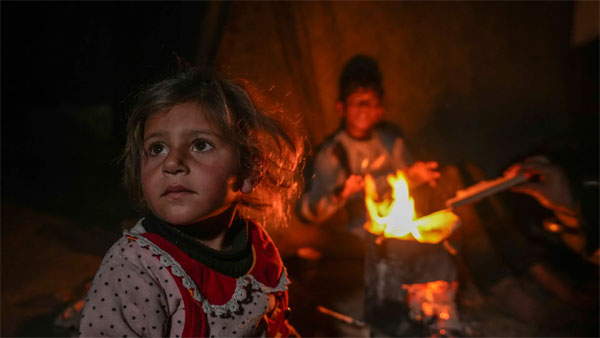
Beyond casualties, large-scale displacement has compounded the crisis. Continuous bombardments and evacuation orders have forced millions from their homes. The UNHCR estimates that up to 3.2 million people have been displaced in Iran alone, including around 864,000 children. In Lebanon, displacement has surpassed one million people, with approximately 370,000 children affected.
Even before the latest escalation, nearly 44.8 million children in the Middle East were already living in conflict-affected environments, highlighting the region’s deep vulnerability.
Reflecting on a recent visit to Lebanon, Chaiban described the situation as dire, stressing the urgent need for coordinated global action. More than 350 public schools in the country have been converted into shelters, disrupting education for about 100,000 students. Essential services are also under strain, with damaged water systems and casualties among healthcare workers attempting rescue operations.
UNICEF has stepped up its humanitarian response, reaching over 151,000 displaced individuals across more than 250 shelters with essential supplies. It is also providing water and sanitation assistance to around 46,000 people in 188 shelters. However, Chaiban warned that the scale of humanitarian needs is rapidly outpacing available resources.
Reiterating the call for accountability, UNICEF urged all parties to adhere to international humanitarian law and emphasized the urgent need for de-escalation and a political resolution to the conflict.