Daijiworld Media Network - New York
New York, Mar 31: A reported attempt to channel millions into defence-related stocks shortly before a major military escalation involving the United States and Israel has triggered fresh scrutiny in Washington.
According to a report by the Financial Times, a broker linked to US Defence Secretary Pete Hegseth explored a significant investment in defence-sector exchange-traded funds (ETFs). The proposal, made through Morgan Stanley, involved discussions with BlackRock about allocating funds into a defence-focused ETF tied to major contractors such as Lockheed Martin and Northrop Grumman.
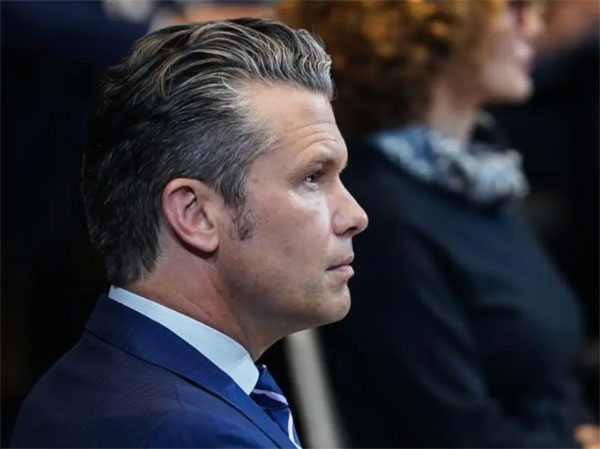
Such companies often see gains during periods of heightened geopolitical tension and increased military activity. However, the investment reportedly did not proceed due to platform limitations at Morgan Stanley. Despite this, the timing—just weeks before a US-Israel strike on Iran—has raised questions, particularly given Hegseth’s influential role in shaping US policy.
The Pentagon has strongly denied the claims. Chief spokesperson Sean Parnell dismissed the report as “false and fabricated,” calling it a misleading allegation intended to distort public perception.
The controversy comes amid broader attention on trading activities in financial and prediction markets ahead of key policy decisions by US President Donald Trump, according to media reports.
Separately, the The Wall Street Journal reported that Trump has indicated a willingness to bring an end to the ongoing conflict involving the United States, Israel, and Iran—even if the strategically critical Strait of Hormuz remains largely closed.
Citing administration officials, the report said reopening the vital global energy route could significantly extend the conflict beyond the administration’s preferred timeline of four to six weeks. As a result, US strategy is said to be focused on weakening Iran’s naval capabilities and missile infrastructure, while simultaneously applying diplomatic pressure to restore maritime trade.
If these efforts fall short, the US may turn to European and Gulf allies to take the lead in ensuring the reopening of the key shipping corridor, reflecting the high stakes surrounding one of the world’s most important energy transit routes.