Daijiworld Media Network - Mangaluru
Mangaluru, Apr 5: The coastal districts of Dakshina Kannada (DK) and Udupi have witnessed a fluctuating trend in leptospirosis (rat fever) cases over the past few years, with a total of 1,700 confirmed cases reported in the last three years.
According to official data, 751 cases were recorded in DK district, while Udupi district saw 949 cases. The current year has already seen 13 cases in DK and 11 in Udupi. With the monsoon season approaching, health officials are concerned as the rainy season typically provides a conducive environment for the spread of the disease.
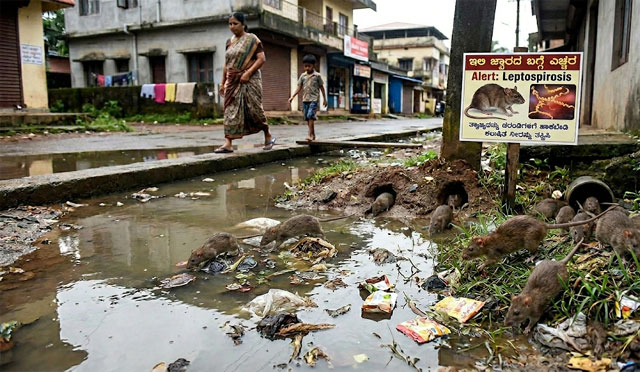
Floodwaters often force rats out of their burrows, increasing the risk of human contact with contaminated water. The infection is primarily caused by the Leptospira bacteria, which is shed in the urine of infected rodents. When this urine mixes with floodwater or stagnant pools, it poses a significant threat to humans.
Interestingly, urban areas are reporting a higher number of cases compared to rural regions. Experts attribute this to poor urban sanitation, improper waste management, and the disposal of food waste from restaurants into roadside drains. These factors attract a large population of rats and stray dogs, further exacerbating the problem.
To combat the spread, the Health Department has intensified awareness campaigns. ASHA workers, health safety officers, and Multi-Purpose Workers (MPW) are conducting door-to-door visits to educate residents about the symptoms and preventive measures.
Symptoms and precautions
While leptospirosis is generally treatable and most patients recover, approximately 20% of cases can turn severe, leading to multi-organ failure. Health officials have cautioned parents against letting children play in stagnant rainwater. While the bacteria spread through contact with rodent urine or faeces, it is important to note that the disease does not spread from human to human.
Health authorities have noted that Dakshina Kannada remains on the list of districts where rat fever cases are frequently reported, especially during the monsoon. The public is urged to maintain high standards of hygiene and take necessary precautions to avoid contact with contaminated water. While the disease can be serious, officials have reassured the public that effective medication is available and the condition is entirely curable if medical attention is sought promptly.