Daijiworld Media Network - New Delhi
New Delhi, Apr 15: Leader of Opposition in the Lok Sabha Rahul Gandhi on Wednesday launched a sharp attack on the BJP-led Central government, alleging that the proposed implementation of women’s reservation is being based on outdated census data rather than current demographic realities.
In a post on X, Gandhi claimed that the government’s approach to the Nari Shakti Vandan Adhiniyam, 2023 was “an attempted power grab” through mechanisms like delimitation and gerrymandering.
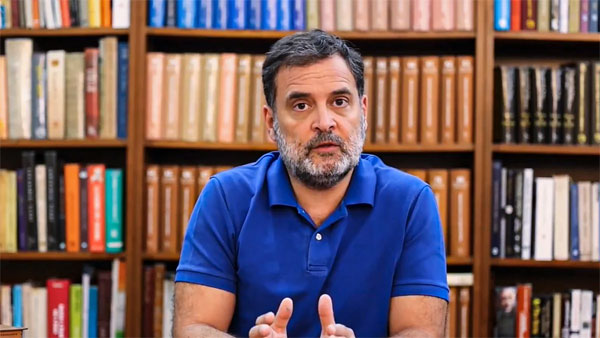
His remarks come ahead of the extended Budget Session of Parliament, where amendments to the women’s reservation law and a proposed delimitation Bill are expected to be taken up for discussion to operationalise 33 per cent reservation for women in Parliament.
Gandhi reiterated that the Congress fully supports women’s reservation, noting that the legislation had been passed unanimously in 2023. However, he raised concerns over the basis being used for its implementation.
He argued that the government is relying on the 2011 Census instead of incorporating findings from a fresh census or caste-based enumeration, particularly concerning Other Backward Classes (OBCs).
According to Gandhi, this approach risks undermining fair representation for backward classes, Dalits, tribal communities, and women. He alleged that ignoring updated caste data amounts to denying these groups their rightful share in political representation.
Targeting Narendra Modi, Gandhi claimed that the government is unwilling to base the policy on a current caste census, despite ongoing discussions around such an exercise.
He further warned that the proposed delimitation process could adversely affect representation from southern and northeastern states, arguing that it may reduce their parliamentary presence.
Describing the move as unfair, Gandhi said his party would oppose any attempt to dilute representation for marginalised communities or smaller states.
The issue is expected to be a major point of contention in Parliament, with debates likely to centre around the timing, methodology, and fairness of implementing women’s reservation alongside delimitation reforms.