Daijiworld Media Network - Mumbai
Mumbai, Apr 27: Maharashtra is witnessing significant pressure on its electricity distribution system as demand surged to unprecedented levels across the state, pushing infrastructure close to its limits and leading to intermittent power cuts in several areas.
According to data from the Maharashtra State Electricity Distribution Company Limited (MSEDCL), peak demand in its supply regions touched a record 27,230 MW, marking the highest-ever load handled by the utility. MSEDCL supplies electricity to nearly 3 crore consumers, including households, agriculture, and industrial users.
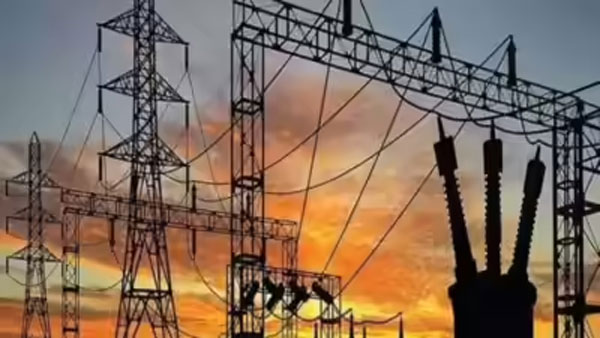
Officials said the sharp rise in consumption is being driven by rising temperatures, along with hot and humid weather conditions that have significantly increased the use of cooling appliances such as air conditioners and fans, particularly in urban centres like Mumbai.
The latest peak surpasses previous highs, including 26,698 MW recorded in 2025 and 27,187 MW observed in January 2026, indicating sustained high demand beyond the typical summer season.
Overall, combined demand across all power utilities in Maharashtra touched nearly 31,000 MW on Sunday, highlighting the scale of stress on the state’s electricity network.
MSEDCL spokesperson Bharat Pawar said the state is prepared to meet rising demand through a mix of long-term power purchase agreements and increased reliance on solar energy during daytime hours. He noted that dependency on thermal power has been gradually reduced through initiatives such as the Mukhyamantri Saur Krushi Vahini Yojana 2.0, which aims to solarise agricultural feeders and ensure reliable daytime electricity supply for farmers.
In Mumbai, electricity consumption continues to climb steadily. The city’s peak demand has now crossed 3,500 MW, though its all-time high remains 4,307 MW recorded in May 2024. Power sector experts warn that demand in the financial capital is likely to rise further due to rapid infrastructure expansion, increasing adoption of electric vehicle charging stations, and the commissioning of new metro rail lines.
Authorities continue to monitor the situation closely as the state’s power system operates under sustained high-load conditions.