Daijiworld Media Network - New Delhi
New Delhi, May 4: In a major step toward strengthening paediatric healthcare, the Union Ministry of Health and Family Welfare has introduced a new national guidance framework aimed at improving the early detection, diagnosis, and treatment of diabetes in children.
The document, titled “Guidance Document on Diabetes Mellitus in Children,” was unveiled during the recent National Summit on Best Practices in Public Healthcare Service Delivery. It focuses on integrating childhood diabetes care into the public health system across India.
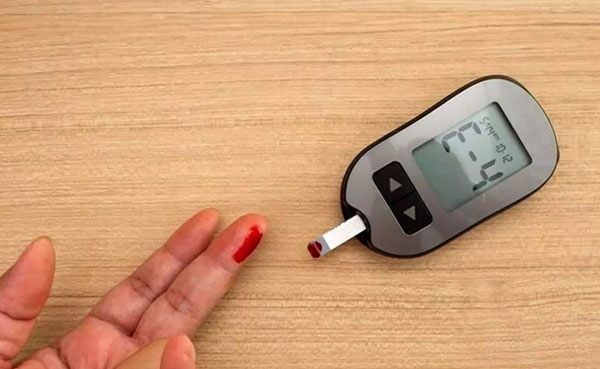
The initiative proposes universal screening for children from birth to 18 years, using both community outreach and school-based health platforms. Children suspected of having diabetes will undergo immediate blood sugar testing, followed by referral to district hospitals for confirmation and treatment.
A key component of the programme is the awareness model known as the “4Ts” framework—Toilet, Thirsty, Tired, and Thinner—designed to help parents, teachers, and caregivers identify early warning signs of Type 1 diabetes in children.
According to the Ministry, the approach is expected to reduce child mortality through early diagnosis, prevent long-term complications, and improve overall quality of life. It also aims to reduce healthcare costs while strengthening India’s capacity to manage non-communicable diseases among children.
The government has emphasised that the initiative reflects its commitment to providing accessible, affordable, and equitable healthcare, with a strong focus on early intervention and continuous care.
A major highlight of the framework is a free-of-cost treatment package available in public health facilities. This includes screening services, diagnostic tests, lifelong insulin therapy, monitoring tools such as glucometers and test strips, and regular follow-up care.
The model also establishes an integrated care pathway, linking community-level screening with district hospitals and higher treatment centres like medical colleges. Officials said this structure is designed to ensure that no child diagnosed with diabetes is left without continued medical support.
With this initiative, India joins a select group of countries that have formally incorporated childhood diabetes management into their national public health systems.