Daijiworld Media Network - Melbourne
Melbourne, Jun 6: Researchers have discovered a promising blood-based marker that may help predict a person’s risk of developing lung cancer more than five years before the disease is diagnosed, paving the way for earlier detection and preventive treatment strategies.
The findings, published in the journal Cell Press's Cell, are based on an analysis of more than 48,000 blood samples and were led by scientists from the Walter and Eliza Hall Institute of Medical Research (WEHI).
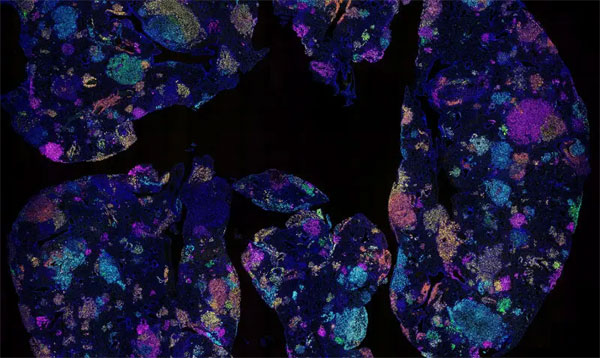
Researchers identified a distinct signature of 14 proteins in blood that was strongly linked to the future development of lung cancer. The predictive marker was successfully validated across eight international datasets and was found to be effective even among non-smokers.
According to the study, the protein signature appears to reflect changes in the lung's inflammatory environment rather than signals released by an existing tumour. This suggests that biological processes associated with cancer risk may begin years before the disease becomes detectable, creating a potential window for preventive intervention.
Lung cancer remains the leading cause of cancer-related deaths worldwide, with many cases diagnosed only after symptoms appear at advanced stages. Current screening programmes primarily focus on older individuals with a history of smoking, leaving many at-risk people outside existing detection systems.
Lead researcher Clare Weeden said the discovery could support the development of more inclusive screening methods and help identify individuals who may benefit from preventive therapies before cancer develops.
“These findings bring us closer to a future where intervention may be possible before lung cancer even emerges,” Weeden said in a statement.
The research was conducted during her time at the Francis Crick Institute, one of the world's leading biomedical research centres.
Commenting on the findings, Charlie Swanton, Clinical Research Director at the Francis Crick Institute, said the study adds weight to the theory that several age-related diseases may share a common inflammatory phase before symptoms appear.
He noted that the newly identified blood signature could eventually play a role not only in predicting lung cancer but also in understanding and preventing other lung-related illnesses.
Researchers say further studies will be needed before the test can be introduced into clinical practice, but the findings represent a significant step towards earlier detection and prevention of one of the world's deadliest cancers.