Daijiworld Media Network - Colva/Canacona,
Colva/Canacona, Jun 21: A prolonged dry spell and a significant shortfall in rainfall have raised serious concerns over Goa's paddy cultivation season, with farmers warning of substantial crop losses if the southwest monsoon does not revive in the coming days.
Agricultural activities in several parts of South Goa have slowed considerably, as farmers delay transplanting paddy seedlings due to insufficient rainfall.
According to the latest data from the India Meteorological Department (IMD), Goa and other states along India's west coast have recorded a 71 per cent rainfall deficit up to June 20, sparking fears about the impact on kharif cultivation.
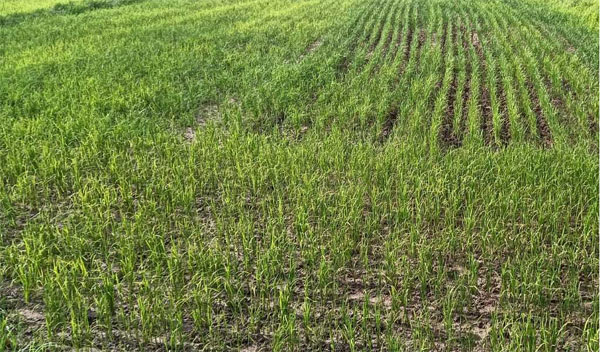
Farmers say this period normally marks the peak of paddy transplantation, but erratic weather conditions have disrupted the agricultural calendar.
Blair Rodrigues, president of the Carmona Farmers' Club, said delayed and uneven rainfall has left cultivators uncertain and forced many to postpone sowing operations.
The situation is equally worrying in Betalbatim, where nearly 25 to 30 farmers associated with the Betalbatim Tenants' Association have already prepared and cultivated their fields.
Association president Jerman Falcao warned that if adequate rainfall does not arrive within the next week, the standing crops could begin to dry up.
In Canacona, several farmers who had already prepared their fields for kharif cultivation are now regretting their decision due to the lack of rain, according to farmer Krishna Velip of Shristhal.
The prolonged dry spell has also put pressure on local water resources. Falcao said farmers have been drawing water from nearby ponds for the past three days to sustain their crops, but water levels are already falling.
He cautioned that while the existing soil moisture is temporarily supporting cultivation, continued rainfall deficiency could severely affect irrigation in the coming weeks.
Farmers in Cotigao are also facing difficulties. According to Jyotsna Velip, those who planted chillies and various vegetables in early June are now forced to transport water from distant sources to prevent the crops from withering.
Rodrigues, who cultivates nearly 14,000 square metres of land using mechanised farming methods, said his crop has so far remained unaffected because mechanised transplantation places saplings deeper into the soil, allowing them to retain moisture for longer periods.
However, he warned that even these crops may not survive if substantial rainfall is not received within the next 15 days.
The worsening rainfall deficit has intensified fears of agricultural distress across the region, especially as farmers have already invested more than Rs 12,000 each to sow seeds over plots measuring around 1,750 square metres.
With both water reserves and soil moisture declining, farmers are anxiously awaiting a revival of the monsoon to salvage the kharif season and protect their livelihoods.