Daijiworld Media Network – Bengaluru
Bengaluru, Jul 11: Nearly 23% of Karnataka's youth below the age of 35 are neither employed nor pursuing education or training, highlighting significant regional disparities and employment challenges across the state, according to the newly released Karnataka State Handbook on Youth Opportunity.
The report, prepared by the Future of India Foundation, attributes the trend to inadequate local employment opportunities and limited skill development infrastructure, which are driving large-scale migration from rural districts to Bengaluru.
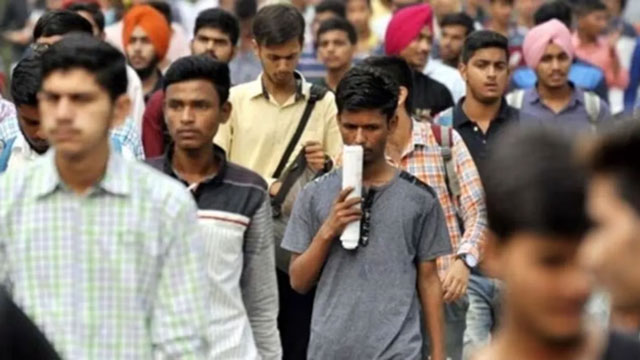
The study introduces a district-wise "YouthPOWER" scorecard based on 180 indicators drawn from 27 government databases. Districts were assessed across five parameters—education, skilling, opportunities, work, and workforce participation.
While Karnataka scored 48.5 on the overall opportunity index, marginally below the national average of 50, the report found sharp regional disparities. Bengaluru Urban topped the rankings with a score of 65, while Yadgir ranked at the bottom with 42.
The concentration of formal sector jobs in Bengaluru has compelled many young people from other districts to migrate in search of employment, increasing pressure on the state's capital.
According to the report, 42% of Karnataka's youth are part of the workforce, while 35% are engaged in education or training. About 44% are in regular salaried employment. The state's youth unemployment rate declined from 15.8% in 2017-18 to 8.6% in 2025, while real monthly wages increased by 23%.
The report also highlights persistent gender disparities. It states that in 20 of Karnataka's 31 districts, women continue to face restrictions on travelling independently, even for essential activities such as visiting markets or healthcare facilities.
Despite initiatives such as the Shakti scheme, only one in four young women participates in the workforce, while unemployment among female graduates stands at 24%, the report noted.
The study further flagged concerns over Industrial Training Institutes (ITIs), stating that nearly half of instructor posts remain vacant despite Karnataka having one of the country's largest technical training networks. Only 25% of registered enterprises reportedly provide apprenticeship opportunities, contributing to high dropout rates in districts such as Kalaburagi, Bagalkot, Bidar and Davangere.
It also observed that bank lending in districts including Mysuru and Udupi is largely directed towards personal consumption rather than supporting agriculture, industry and trade, limiting opportunities for local enterprise development and job creation.
The report recommends strengthening skill-based education, promoting local entrepreneurship, creating employment opportunities beyond Bengaluru, and placing greater emphasis on youth-focused policies at the district level to address the widening opportunity gap.