Daijiworld Media Network – New Delhi
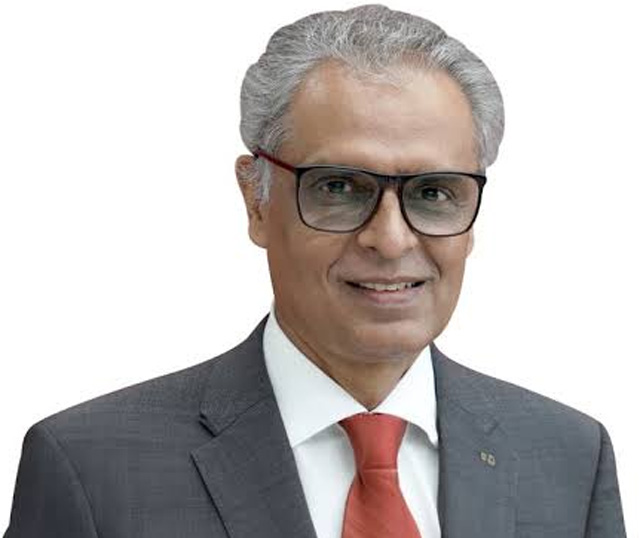
New Delhi, Sep 3: Former Indian diplomat and India’s Permanent Representative to the United Nations, Syed Akbaruddin, has been appointed as a part-time, non-official director on the Central Board of the Reserve Bank of India (RBI) for a four-year term.
The appointment was approved by the Appointments Committee of the Cabinet. The RBI Central Board is responsible for the general superintendence and direction of the affairs and business of the central bank.
Along with Akbaruddin, former Special Secretary of Expenditure in the Ministry of Finance Annie George Mathew and Boston Consulting Group India Chairman Janmejaya Kumar Sinha have also been appointed to the board.
The appointments bring together expertise in diplomacy, public finance, economic policy and corporate strategy at a time when the RBI’s deliberations are increasingly influenced by global economic developments, international trade and geopolitical shifts.
A 1985-batch Indian Foreign Service officer, Akbaruddin has over three decades of experience in international affairs, diplomacy and governance. He served as India’s Permanent Representative to the United Nations in New York from 2016 to 2020 and had earlier served as the official spokesperson of the Ministry of External Affairs.
Reacting to his appointment, Akbaruddin said it was an honour and privilege to serve on the RBI Central Board and expressed gratitude for the confidence placed in him.
He said he looked forward to contributing to the board’s deliberations with humility and diligence in the service of the Indian economy and its people.
Since 2021, Akbaruddin has been serving as Dean of the Kautilya School of Public Policy at GITAM University, where he has been involved in developing an academic platform to train professionals to address complex public policy challenges.
His induction is expected to bring his experience in multilateral affairs, foreign policy and public administration to the RBI’s governing body, particularly as the central bank navigates issues shaped by both domestic economic priorities and developments in the global economy.