Daijiworld Media Network - New Delhi
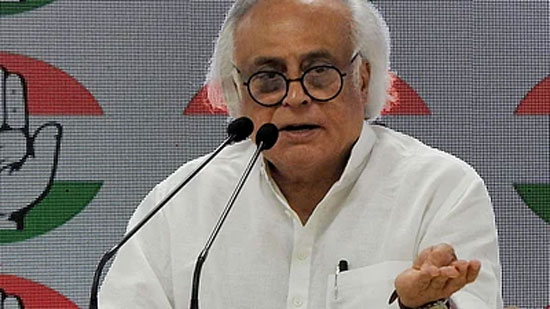
New Delhi, Feb 7: Senior Congress leader Jairam Ramesh on Saturday questioned the newly finalised India–US interim trade agreement, arguing that the joint statement released by the two countries lacks clarity on several crucial aspects and could hurt India’s economic interests.
In a post on social media platform X, Ramesh said the joint statement was “silent on details,” adding that the limited information available raised serious concerns. He claimed that under the emerging arrangement, India would stop importing oil from Russia, while the US had separately warned of reimposing a 25 per cent penalty if India continued to buy Russian oil, directly or indirectly.
Ramesh also alleged that India would significantly reduce import duties to benefit American farmers, potentially at the expense of Indian agriculturists. He warned that India’s annual imports from the US could triple, eroding the country’s long-standing trade surplus in goods and creating uncertainty for Indian exports, particularly in IT and other services.
According to him, Indian goods exports to the US may now face higher tariffs than before. Taking a swipe at the optics surrounding bilateral engagements, Ramesh remarked that public displays of bonhomie had yielded little substance, suggesting that Washington had gained the upper hand in the negotiations.
Under the interim arrangement, the US has withdrawn the additional 25 per cent duty it had earlier imposed on Indian imports. However, it will levy an 18 per cent tariff on a broad range of Indian goods, including textiles and apparel, leather and footwear, plastics and rubber, organic chemicals, home décor, handicrafts, and certain machinery.
In return, India will lower or eliminate tariffs on all US industrial products and on several American agricultural and food items such as dried distillers’ grains, red sorghum used for animal feed, tree nuts, fresh and processed fruits, soybean oil, wine, spirits, and related products.
If the interim agreement is fully concluded, the US is expected to remove reciprocal tariffs on multiple Indian exports, including generic pharmaceuticals, gems and diamonds, and aircraft parts. Separately, tariffs on select aircraft and aviation components from India will also be withdrawn.
Both sides have agreed to address non-tariff barriers that hinder trade, with India committing to resolve long-standing issues affecting US medical devices, food, and farm products to improve market access. New Delhi will also scrap restrictive import licensing norms for US information and communication technology goods that delay entry or limit volumes.
India has indicated plans to purchase up to $500 billion worth of US goods over the next five years, covering energy, aircraft and parts, precious metals, technology products, and coking coal. The two countries will also expand cooperation in advanced technologies, including Graphics Processing Units for data centres.
Negotiations on a broader Bilateral Trade Agreement will continue, during which the US will consider India’s request for further reductions in tariffs on Indian exports.