Daijiworld Media Network – New Delhi
New Delhi, Feb 14: India’s largest airline, IndiGo, is planning to recruit more than 1,000 pilots in one of the biggest hiring drives undertaken by an Indian carrier, according to a media report.
The move follows widespread flight disruptions in December 2025, when the airline was forced to cancel over 5,000 flights within seven days after facing an acute shortage of crew. The crisis erupted after revised pilot duty and rest norms were implemented by the aviation regulator.
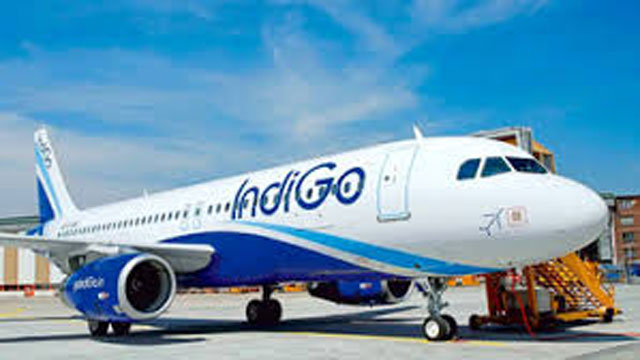
The fresh recruitment drive will include trainee first officers, senior first officers and captains, as per notices posted on the airline’s website. One of the notifications also states that the airline is open to hiring pilots without prior experience on the Airbus A320 aircraft, which forms the backbone of its fleet.
A probe conducted by the Directorate General of Civil Aviation (DGCA) had flagged an overriding focus on maximising utilisation of crew, aircraft and network resources. The regulator observed that roster buffer margins were significantly reduced, with schedules structured to stretch duty periods and rely heavily on tail swaps, extended duty patterns and minimal recovery time. This, it said, weakened operational resilience.
The investigation revealed that while IndiGo required 2,422 captains to operate its schedule, it had only 2,357 at the time of the crisis. In the aftermath, the DGCA granted temporary exemptions from night-duty restrictions until February 10 to ease immediate operational pressure.
According to the report, the airline is now proactively building a stronger pilot pipeline to align with its rapid aircraft induction plans. IndiGo inducts nearly four new aircraft every month and requires a steady expansion of cockpit crew to maintain high aircraft utilisation.
The airline upgrades around 20 to 25 first officers to captains each month through its internal training programme. However, trainee first officers require approximately six months of training before becoming fully operational. Only pilots with a minimum of 1,500 flying hours are eligible for captaincy, though airlines may set higher benchmarks.
While the DGCA mandates three sets of pilots per aircraft, including one captain and one first officer in each set, IndiGo’s high utilisation model means its effective requirement is significantly higher.
In addition to hiring, the airline is restructuring its operations to introduce greater buffers. Schedule buffers, which were negligible during the December disruptions, have been increased to three per cent in February. Standby crew strength has also been raised to a minimum of 15 per cent to improve operational stability.