Daijiworld Media Network – New Delhi
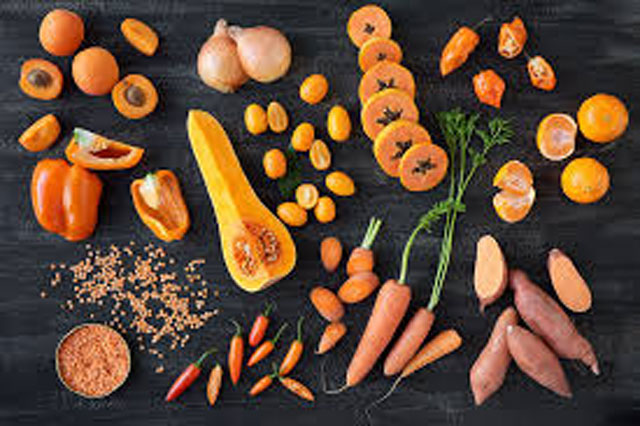
New Delhi, Feb 26: Beta carotene, the natural pigment that gives carrots, sweet potatoes and other vegetables their bright yellow, orange and red hues, plays a vital role in maintaining overall health. The compound, derived from the Latin word for carrot, is converted by the body into vitamin A (retinol), an essential nutrient required for good vision, healthy cell growth and proper functioning of organs such as the heart, lungs and kidneys.
Recognised as a powerful antioxidant, beta carotene helps protect cells from damage caused by free radicals. Health experts note that diets rich in carotenoids, including beta carotene, are strongly linked to improved eye health. Adequate intake supports retinal function and may reduce the risk of age-related macular degeneration. Research has also indicated that individuals with higher levels of carotenoids in their blood may have a significantly lower risk of developing certain degenerative eye conditions.
Beyond vision, beta carotene is believed to support cognitive health. Studies suggest that long-term intake of antioxidant-rich foods may contribute to better memory and cognitive performance, particularly in ageing individuals. Antioxidants are also being studied for their potential role in slowing age-related cognitive decline.
Skin health is another area where beta carotene offers benefits. Its antioxidant properties may help protect the skin from ultraviolet (UV) radiation damage and support a healthy complexion. A diet abundant in colourful vegetables is often associated with improved skin tone and resilience.
Some research has linked a beta carotene-rich diet with a reduced risk of certain cancers, including breast, lung and pancreatic cancers. However, experts emphasise that these benefits are primarily associated with natural food sources rather than high-dose supplements.
While vitamin A is essential, it is a fat-soluble nutrient that can accumulate in the body and become toxic if consumed in excessive amounts over time. Overconsumption may lead to symptoms such as nausea, dizziness and joint pain, and in severe cases, serious health complications. Beta carotene from dietary sources, however, is generally considered safe, with the most common side effect of very high intake being a temporary yellow-orange discolouration of the skin.
Studies have also shown that smokers who consume high-dose beta carotene supplements may face an increased risk of lung cancer, prompting health professionals to caution against unnecessary supplementation without medical advice.
There is no specific recommended dietary allowance for beta carotene itself, but vitamin A requirements vary based on age, gender and life stage. Nutritionists recommend obtaining beta carotene naturally through a balanced diet that includes foods such as carrots, sweet potatoes, spinach, kale, butternut squash, red bell peppers and apricots.
As a fat-soluble nutrient, beta carotene is better absorbed when vegetables are lightly cooked and consumed with healthy fats. Experts stress that incorporating a variety of colourful fruits and vegetables into daily meals remains the safest and most effective way to reap its health benefits while avoiding potential risks associated with excessive supplementation.