Daijiworld Media Network – New Delhi
New Delhi, Feb 26: As weight-loss injections like Ozempic and Mounjaro continue to gain global popularity, a new study has suggested that metabolic and bariatric surgery may provide stronger and more sustained cardiovascular protection in people living with obesity and type 2 diabetes.
The findings, published in the journal Obesity Surgery, indicate that while GLP-1 receptor agonist medications significantly improve weight loss and metabolic parameters, surgical interventions were associated with a greater long-term reduction in major adverse cardiovascular events (MACEs), including heart attack and stroke.
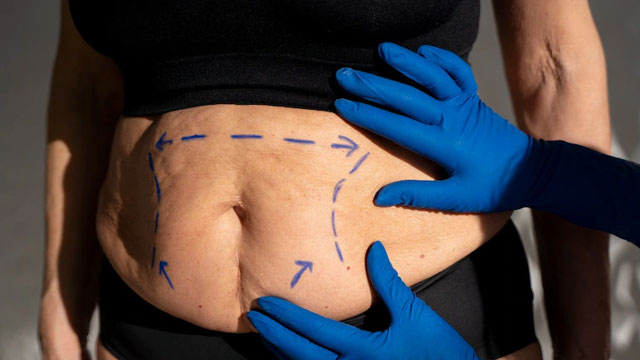
The meta-analysis compared long-term cardiovascular outcomes among patients treated with bariatric surgery and those using GLP-1 receptor agonists such as semaglutide and tirzepatide.
Key observations included:
• A greater decline in major adverse cardiovascular events among patients who underwent surgery
• Lower all-cause mortality in the surgical group
• More durable and sustained weight loss over time
While GLP-1 medications have demonstrated cardiovascular benefits in multiple clinical trials and are recognised by the American College of Cardiology for reducing heart risk in obese and diabetic patients, experts note that long-term durability after discontinuation remains a concern.
Specialists explain that bariatric surgery produces structural and hormonal changes that go beyond appetite suppression. Procedures such as sleeve gastrectomy and Roux-en-Y gastric bypass not only reduce stomach capacity but also alter gut hormones that regulate hunger, satiety and insulin sensitivity.
According to the World Health Organization, sustained weight reduction plays a crucial role in lowering cardiovascular risk, particularly among high-risk individuals.
By contrast, GLP-1 drugs mimic gut hormones to control appetite and blood sugar levels and are highly effective during active treatment. However, maintaining weight loss after stopping therapy can be challenging without strict lifestyle adherence.
The findings hold particular relevance for India, where type 2 diabetes and central obesity are increasingly affecting younger populations. Experts highlight that Asian populations often develop metabolic complications at lower body mass index (BMI) levels compared to Western populations, making early and durable interventions critical.
Medical experts emphasise that treatment decisions should remain individualised. While medications offer a valuable non-surgical option, bariatric surgery continues to demonstrate deeper and longer-lasting cardiovascular protection in selected patients with moderate to severe obesity and associated metabolic disorders.
The study underscores that long-term heart health — rather than short-term weight loss alone — should remain the central goal in managing obesity.