Daijiworld Media Network - New Delhi
New Delhi, Mar 11: A pilot study has suggested that sustainable approaches to Breast Cancer surgery can be introduced in operating rooms without compromising early clinical outcomes, while also helping reduce the environmental impact of surgical care.
The study evaluated environmentally focused surgical interventions in 34 women diagnosed with hormone receptor-positive, HER2-negative, T1 to T2, clinically node-negative invasive breast cancer who underwent quadrantectomy and sentinel lymph node biopsy.
Conducted between September 2024 and May 2025, the prospective study divided patients into two groups. Seventeen patients followed a conventional high-impact surgical pathway, while the remaining 17 underwent procedures under a sustainable “green protocol” guided by the 5R principle — reduce, reuse, recycle, rethink and research.
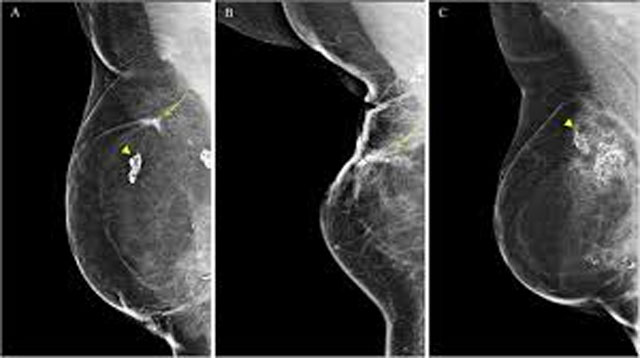
The sustainable approach included the use of indocyanine green dye for sentinel lymph node biopsy, local anaesthesia with intravenous sedation, measures to reduce medical waste, reusable gowns, drapes and surgical instruments, and proper segregation of non-infectious plastic waste.
In terms of surgical outcomes, sentinel lymph node detection rates remained high. Identification reached 100 per cent in the technetium-99m group and 94.1 per cent in the indocyanine green group, indicating comparable clinical effectiveness.
Although the study did not conduct a complete quantitative environmental analysis, researchers reported that the green protocol was operationally feasible and showed preliminary indicators of a lower environmental burden.
The sustainable pathway also reduced certain perioperative resource requirements. Patients avoided preoperative hospitalisation and radiotracer administration, and 58.8 per cent of those treated under the green protocol were discharged on the same day.
Researchers said the findings are particularly relevant in the context of climate change and the significant carbon footprint associated with surgical healthcare systems. Breast cancer surgery, they noted, could serve as a practical setting to test environmentally sustainable practices while maintaining high oncological standards.
While the pilot study involved a small number of participants, the results support further research into sustainable surgical protocols that could help reduce greenhouse gas emissions, limit unnecessary medical waste and maintain clinical quality. The study also highlights the potential of indocyanine green as an alternative to technetium-based mapping in efforts to improve sustainability in surgical oncology.