Daijiworld Media Network – New Delhi
New Delhi, Mar 14: The ongoing conflict in West Asia is beginning to threaten global food production as farmers across Asia and Europe struggle to secure fuel needed to operate essential agricultural machinery.
Two weeks into the war involving the United States, Israel and Iran, supplies of crude oil, liquefied natural gas and fertilisers have been disrupted due to attacks on energy infrastructure and the effective closure of the Strait of Hormuz. The resulting fuel shortage is now affecting farming operations worldwide and raising concerns over rising food prices and inflation.
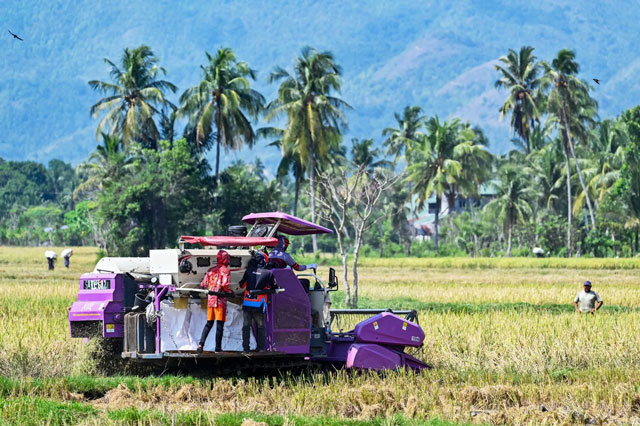
Farmers in Australia are already facing fuel delivery cutbacks ahead of the winter grain planting season. The National Farmers’ Federation warned that continued supply shortages and rising diesel prices could leave some farmland uncultivated.
In Bangladesh, many rice farmers say they are unable to secure sufficient diesel to run irrigation pumps. In the northern Rangpur region, farmer Harprosad Roy said his two-acre field requires at least three litres of diesel daily to operate groundwater pumps, but he often receives only one litre due to supply restrictions.
Nearly 40 percent of arable land in Bangladesh depends on diesel-powered irrigation systems. With the Boro rice harvest approaching next month, farmers warn that switching to electric pumps requires lengthy government approvals, leaving crops at risk.
The crisis is also affecting farmers and fishermen in the Philippines. Rice farmer Jespher Villegas said the rising diesel prices are likely to increase the cost of renting harvesting machines, which could reduce his income from crop sales. The country is the world’s largest rice importer despite having two harvest seasons each year.
Fishermen in the Philippines are also struggling as higher diesel prices are forcing many boats to remain docked. Jayson Cainglet, executive director of the SINAG, said fishermen are losing around 500 pesos per day due to rising fuel costs.
Elsewhere in Asia, farmers in Thailand fear that higher fuel prices may make it financially unviable to harvest crops.
In Australia, grain growers are preparing for winter planting while farmers across Europe are gearing up for spring crops such as barley and corn. However, limited diesel supplies are creating uncertainty.
In Western Australia, the country’s largest grain-producing region, some fuel suppliers are delivering less fuel than farmers ordered ahead of the wheat and barley sowing season, according to Rhys Turton, chair of Grain Growers Ltd.
European farmers are also feeling the impact. In Germany, fuel costs for farmers have increased by around €30 per 100 litres, while large tractors can consume about 250 litres of diesel during busy spring operations. In Romania, farm diesel prices have risen by roughly 25 percent since the war began.
Agriculture analysts warn that the crisis could have long-term effects on food prices. Paul Joules, a farm-input analyst at Rabobank in Sydney, said the situation could lead to sustained inflation in agricultural inputs.
“We don’t necessarily see this as a flash in the pan,” Joules said, noting that rising costs for fuel and fertilisers will eventually be passed on to consumers.
Farmers warn that the biggest concern is not only rising prices but the possibility of fuel shortages during critical planting and harvesting periods. Richard Heady, a farmer in Buckinghamshire in the United Kingdom, said his farm stocked diesel supplies last year but will need to buy more soon.
“If we don’t have the fuel to provide nutrients and disease protection to the crops, they could fail,” he said, warning that insufficient fuel could disrupt farming schedules and lead to major crop losses.