Daijiworld Media Network - New Delhi
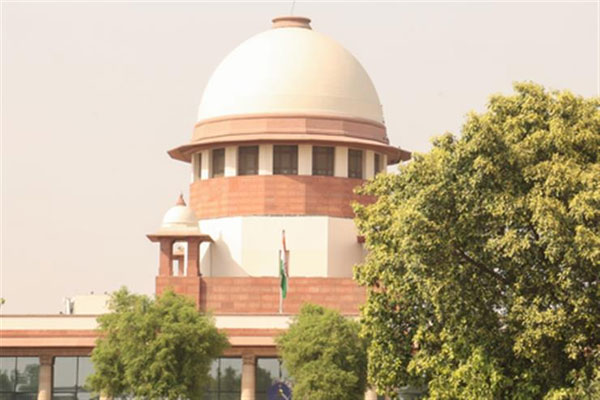
New Delhi, Apr 6: The Supreme Court of India on Monday directed the National Investigation Agency (NIA) to take over the investigation into the incident in Malda district, where seven judicial officers were allegedly held hostage during electoral roll revision work.
A Bench led by Chief Justice Surya Kant, along with Justices Joymalya Bagchi and Vipul M. Pancholi, invoked its powers under Article 142 of the Constitution of India to transfer the probe, citing serious allegations against the state police and the need for an independent investigation.
The court ordered the NIA to take charge of all 12 FIRs registered by the West Bengal Police, regardless of the sections under which they were filed. It also allowed the central agency to register fresh cases if the probe uncovers a larger conspiracy or additional offences.
The apex court directed that the NIA submit periodic status reports and eventually file its findings before a designated court in Kolkata. It also instructed the state police to hand over all evidence, case diaries, and materials collected so far, and to fully cooperate with the agency.
The incident, which occurred on April 1 at a BDO office in Kaliachowk, involved seven judicial officers—three of them women—who were allegedly confined by a mob for over nine hours and released only after midnight. The court noted that they were denied basic necessities during the ordeal and that their vehicles were attacked while leaving the area.
Earlier, the court had termed the episode a “brazen attempt” to intimidate the judiciary and criticised the apparent failure of the civil and police administration to respond effectively despite being alerted. It had subsequently directed the Election Commission of India to seek an independent inquiry.
During the hearing, Additional Solicitor General S. V. Raju informed the court that 12 FIRs had been registered, with 24 accused identified and over 400 individuals under scrutiny. He added that while the initial offences did not fall under the NIA Act, the agency would have the authority to investigate connected offences once it takes over.
The court also ordered that key accused persons, including alleged “kingpins,” be handed over to the NIA for custodial interrogation.
Taking a stern view of the conduct of senior officials, including the Chief Secretary and Director General of Police, the Bench questioned their response during the incident. While noting their explanations and expressions of regret, the court refrained from initiating further action but emphasised the need for greater accountability and prompt response in such situations going forward.