Daijiworld Media Network - New Delhi
New Delhi, Apr 13: Two supertankers carrying Iranian crude have anchored off India’s eastern and western coasts, signalling a potential resumption of such imports after nearly seven years, even as the United States intensifies efforts to restrict Tehran’s oil exports.
According to ship-tracking data, the vessel Felicity, owned by National Iranian Tanker Company, dropped anchor near Sikka on the Gujarat coast late Sunday. The tanker is carrying around 2 million barrels of crude loaded from Kharg Island in mid-March.
Another tanker, Jaya, has reportedly moored near Paradip on Odisha’s coast with a similar volume of crude lifted from Kharg Island in late February, before tensions escalated between Iran, the US and Israel. The ownership of Jaya remains unclear, often a characteristic linked to “shadow fleet” vessels involved in sanctioned trades.
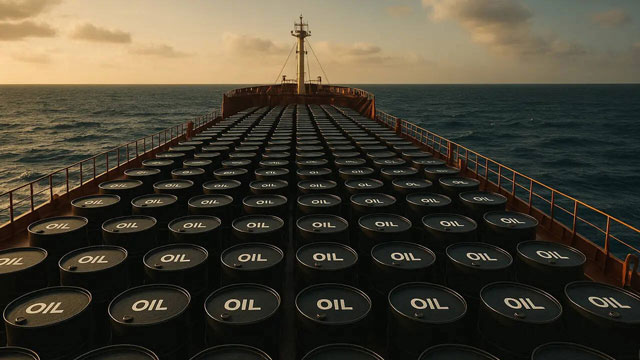
India has not imported Iranian oil since 2019 due to US sanctions. However, a recent waiver issued by Washington has permitted the purchase of cargoes already in transit, aimed at easing global supply disruptions triggered by the ongoing conflict in the Middle East.
As the world’s third-largest crude importer, India is exploring diversified sourcing options, including limited purchases from Iran, to manage volatility in energy markets.
While the buyers of the cargoes have not been officially disclosed, Paradip port is primarily used by Indian Oil Corporation, which has confirmed purchasing at least one Iranian shipment under the waiver.
Sikka serves as a major crude handling hub for Reliance Industries and Bharat Petroleum Corporation, both of which operate key infrastructure in the region.
The arrival of these shipments indicates a cautious re-entry of Iranian crude into India’s energy mix, even as geopolitical tensions and regulatory uncertainties continue to influence trade flows.
The development comes amid uncertainty over proposals by Donald Trump to block vessels transiting the Strait of Hormuz following the collapse of recent peace talks, raising questions over the future of such shipments.