Daijiworld Media Network – Bengaluru
Bengaluru, Apr 16: Defying the usual seasonal downturn in dairy output during summer, Karnataka has recorded a sharp and unexpected rise in milk production and procurement across the state.
According to the Karnataka Milk Federation (KMF), milk procurement stood at 1.2 crore litres on Monday, while it had reached 1.16 crore litres on Sunday. This marks a significant increase compared to April 2025, when daily procurement ranged between 85 and 87 lac litres.
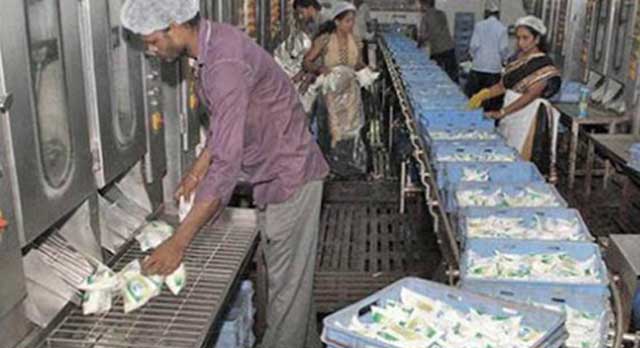
KMF managing director B Shivaswamy said the average daily milk procurement in April 2026 has risen to around 1.3 crore litres. He noted that procurement has increased by nearly 16% in recent weeks. Compared to the same period last year, the growth stands at about 52%, indicating a strong upward trend despite seasonal constraints.
The KMF is also examining measures to further enhance the nutritional profile of milk supplied to consumers. Sources said discussions are under way with the Health Ministry and the state Health Department to assess the feasibility of adding additional nutrients in view of rising health awareness.
In July 2019, KMF had announced the fortification of milk with vitamins A and D to provide added nutritional benefits. The initiative was implemented in line with guidelines of the Food Safety and Standards Authority of India (FSSAI) to address micronutrient deficiencies.
Officials said that although milk procurement had crossed one crore litres in January, production typically declines during summer months. However, this year has proved to be an exception.
They attributed the increase to a steady supply of quality fodder to farmers, along with financial incentives and government support. Improved rainfall in several parts of Karnataka has also boosted the availability of green fodder, Shivaswamy said.
Another KMF official said several farmers who suffered horticulture and agricultural losses were able to stabilise their finances with support from the dairy sector. It was also informed that fodder stocks sufficient for two to three months have been maintained to support farmers.