Daijiworld Media Network - New Delhi
New Delhi, Apr 21: A recent episode in Pune, where students at a Maharashtra Welfare Department hostel performed to a song praising a slain Maoist commander, has raised fresh concerns among Indian security agencies. The incident is being viewed as a signal that, even as armed insurgency declines, ideological influence may persist in new forms.
Officials note that security operations in Maoist-affected forest regions achieved major milestones by March 31, aligning with the government’s stated objectives. However, they caution that the end of violence on the ground does not necessarily mark the end of the movement’s influence. Instead, attention has shifted toward pockets of ideological support, particularly in urban settings.
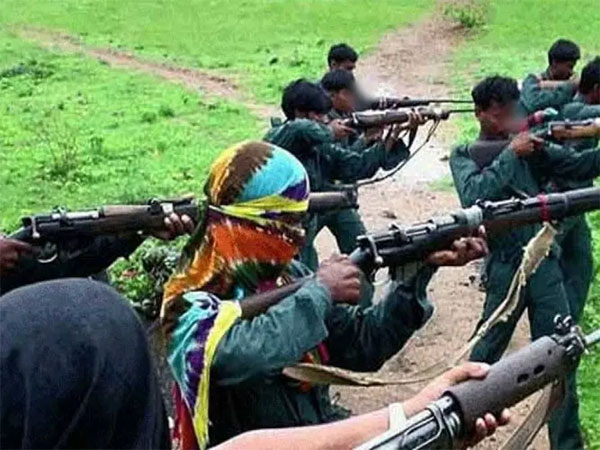
Investigations into the Pune case revealed that several of the students involved were from districts such as Gadchiroli and Chandrapur. Although Gadchiroli has been officially declared free of Maoist activity, authorities believe that some individuals from these regions may still retain ideological leanings.
Security agencies now describe a transition in strategy among sympathisers—from armed struggle to narrative-building. According to officials, these groups are attempting to highlight issues affecting tribal communities as a way to revive interest in Maoist ideology. The approach is seen as subtle, often blending into broader social or political discussions rather than overtly promoting extremist views.
Government representatives, including Union Home Minister Amit Shah, have previously criticised certain intellectual circles for what they describe as selective advocacy—raising ideological arguments while overlooking the hardships faced by tribal populations. Officials argue that such narratives may inadvertently lend support to outdated or discredited ideologies.
Intelligence sources suggest that the current phase involves cautious experimentation. Rather than direct mobilisation, there are efforts to gradually introduce sympathetic narratives through protests, cultural expressions, and public discourse. The Pune incident is being interpreted as part of this early-stage outreach.
Authorities also warn of attempts to engage with educational institutions. The concern is that students could be exposed to one-sided interpretations of tribal issues and the Maoist movement, potentially shaping their views over time. Activities such as distributing literature or displaying posters that portray Maoist figures positively are seen as part of this broader effort.
In response, the Union Government is prioritising awareness campaigns and counter-narratives. These initiatives aim to provide students with a more comprehensive understanding of the Maoist movement, including its impact on affected communities. Officials emphasise that improved infrastructure and development in tribal regions have been key factors in weakening the insurgency.
At the same time, authorities expect that urban-based sympathisers may attempt to challenge these efforts through seminars, discussions, and other platforms that advocate alternative viewpoints. The evolving situation underscores what officials describe as a new phase of the conflict—one centred not on weapons, but on ideas and influence.
As a result, educational institutions are being encouraged to actively host discussions and programmes that critically examine the history and consequences of the Maoist movement, both in rural strongholds and urban contexts.