Daijiworld Media Network – New Delhi
New Delhi, Apr 20: Despite decades of sustained control efforts, Malaria continues to be one of the world’s deadliest infectious diseases, claiming over half a million lives each year, most of them children in sub-Saharan Africa.
For years, malaria prevention strategies have focused on reducing mosquito populations and treating infected individuals. Measures such as insecticide-treated bed nets, indoor residual spraying and effective antimalarial medicines have played a crucial role in saving millions of lives globally.
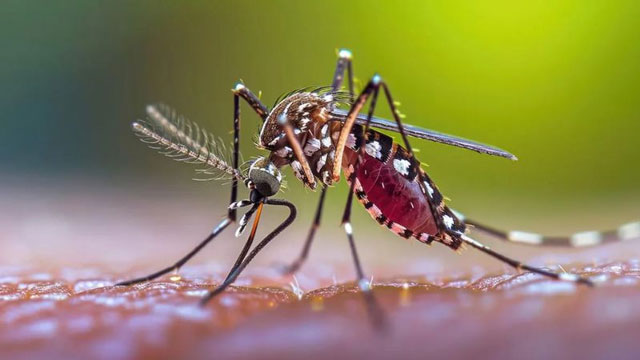
However, experts warn that progress in combating the disease has slowed in recent years. One of the major challenges is the growing resistance of mosquitoes to commonly used insecticides, which reduces the effectiveness of vector control measures.
At the same time, the malaria parasite itself is evolving resistance to existing drugs, making treatment more difficult and threatening to reverse gains made over the past decades.
Health experts say that without renewed investment, innovation and stronger public health interventions, malaria could continue to pose a serious global health threat, particularly in vulnerable regions such as sub-Saharan Africa.
They stress the need for new tools, including improved vaccines, next-generation insecticides and more effective treatment options, to sustain and accelerate progress in the fight against the disease.