Daijiworld Media Network – Geneva
Geneva, Apr 26: The World Health Organization (WHO) has approved the first-ever malaria treatment specifically designed for newborns and infants, marking a major breakthrough in global child healthcare.
The newly approved medicine, artemether-lumefantrine, is the first antimalarial formulation tailored for the youngest patients, who were previously treated with drugs meant for older children.
According to WHO, the treatment has been granted “prequalification” status, indicating that it meets international standards of quality, safety and efficacy, and can be widely procured by global health agencies.
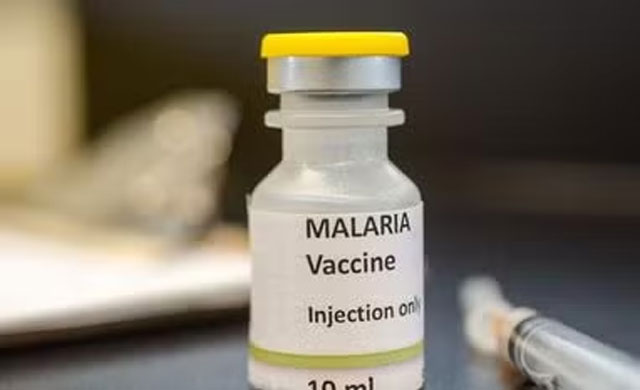
Until now, infants suffering from malaria were given adjusted doses of medicines designed for older children, increasing the risk of incorrect dosing, side effects and toxicity.
The new formulation is expected to significantly improve treatment outcomes and safety for one of the most vulnerable groups, especially in malaria-endemic regions such as sub-Saharan Africa.
Health experts say the approval fills a long-standing gap in malaria care, particularly for newborns weighing as little as 2–5 kg, who previously had limited treatment options.
WHO Director-General Tedros Adhanom Ghebreyesus described the development as part of broader progress in the fight against malaria, alongside advances in vaccines, diagnostics and prevention tools.
Malaria remains a major global health challenge, with children under five accounting for a significant proportion of deaths from the mosquito-borne disease.
The approval is expected to pave the way for wider access to the treatment through UN agencies and public health programmes, offering new hope in reducing infant mortality linked to malaria.