Daijiworld Media Network - Bengaluru
Bengaluru, May 7: Acknowledging the harsh reality that innocent children often have to endure prison life alongside their incarcerated mothers, the Karnataka government has taken a historic humanitarian step.
India's first Government Special Child Care Institution (GSCCI) has been established inside the women's wing of the Parappana Agrahara Central Prison in Bengaluru.
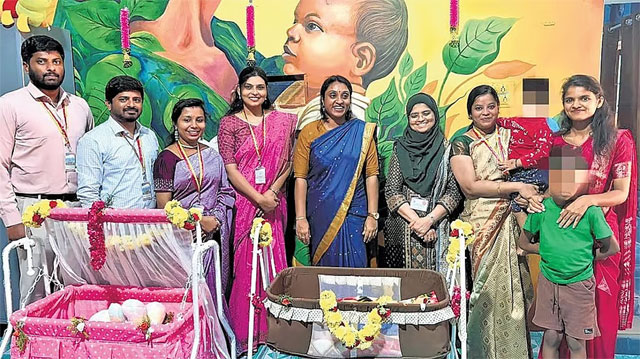
The special unit aims to provide education, safety, and emotional development for children under six years of age who live in the prison with their mothers. The initiative was launched with the humanitarian view that children should not be penalized or deprived of a healthy environment for crimes they did not commit.
Focus on holistic development
A Karnataka Directorate of Child Protection official shared that two teachers have been appointed at the center. The children are taught alphabets, numbers, rhymes, drawing, and engage in various creative activities. Crucially, they are also educated about 'safe touch and unsafe touch'.
Beyond basic education, the center emphasizes personality development. The children are being taught good daily habits, including dining etiquette, showing respect to elders, and greeting their teachers.
Ensuring school readiness and protection
A District Child Protection officer noted that under Supreme Court guidelines and the prison manual, children up to six years old are permitted to stay with their mothers in prison. "During this period, we ensure their protection, education, and overall school readiness," she said.
Once a child turns six, authorities will reach out to their extended family members. If the family is unresponsive or unable to take custody, the child's further education and care will be managed with the help of registered NGOs under the Juvenile Justice Act.
Child-friendly environment
Currently, the center is caring for nine children, providing them with regular health check-ups, nutritious food, and quality early education. Among them are three children of foreign national inmates arrested in narcotics cases; because they are infants, they remain with their mothers.
To mask the intimidating prison environment, the classroom walls have been painted with vibrant, colorful murals. Child-friendly amenities, including tailored toilets, handwashing stations, and dedicated play-and-learn areas, have been constructed using funds released by the Directorate of Child Protection.
Officials stated that the initiative is aligned with the central government's 'Mission Vatsalya', the Juvenile Justice (Care and Protection of Children) Act, and the UN Convention on the Rights of the Child (UNCRC) guidelines. In its next phase, the project plans to introduce enhanced nutritional supplements and comprehensive development programs for the children.