Daijiworld Media Network - New Delhi
New Delhi, May 29: In a major policy shift amid mounting global fuel uncertainty, the central government has reportedly suspended LPG cylinder supply to households already connected to PNG (Piped Natural Gas) networks, citing the growing energy crisis triggered by disruptions in the Strait of Hormuz.
The new rule, which has come into immediate effect, bars consumers from holding both LPG and PNG connections simultaneously. Officials say the move is aimed at conserving limited LPG stocks and ensuring supply to households that do not have access to pipeline gas facilities.
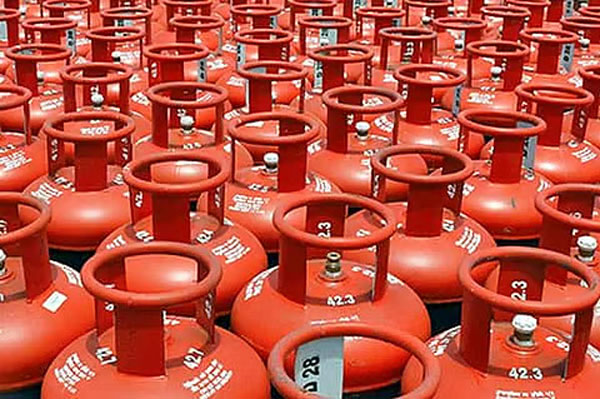
Representational image
The decision follows escalating geopolitical tensions and continued disruption in fuel movement through the Strait of Hormuz, one of the world’s most crucial maritime oil transit routes. Though reports indicate a temporary ceasefire between the United States and Iran, tensions in the region remain unresolved.
Customers shifting to PNG must surrender their existing LPG connections within a fixed deadline. Customers who install PNG in their kitchens will get only 30 days to terminage LPG connections. Once PNG becomes operational, households must complete the LPG surrender process within the prescribed timeline.
Customers surrendering LPG connections will now receive transfer vouchers for future restoration which will help tenants, students, migrant families and transferable employees who later shift to areas where PNG connections are unavailable.
Customers in urban areas must now wait 25 days between refills while rural households will have to wait for 45 days before booking another LPG cylinder.
Customers shifting to PNG may not LPG refills during the 30-day surrender period. If the cylinder finishes after PNG installation starts, households could face difficulties as refill bookings may not be allowed during this transition phase.
Iran had earlier restricted commercial shipping movement through the Strait of Hormuz during its conflict involving the United States and Israel, while additional security restrictions imposed in the region have further complicated global fuel transportation and supply chains.
The disruption has reportedly affected the import of crude oil and LPG from Gulf nations to India, leading to growing concerns over fuel availability across the country. Reports from several regions indicate shortages of petrol, diesel and LPG cylinders in recent days, intensifying fears of a wider energy crunch.
Under the revised directive issued earlier this week, households already receiving PNG supply through pipelines will no longer be eligible for LPG cylinder delivery. In effect, the government has prohibited dual domestic gas connections in an attempt to streamline distribution during the ongoing crisis.
Officials believe the measure will help prioritise LPG availability for rural households and consumers in areas where PNG infrastructure is not available. Experts have also pointed out that urban households with pipeline gas access already have an alternative cooking fuel system in place.
According to official estimates, nearly 90% of India’s LPG requirement during 2025 was met through imports from Middle Eastern countries. With the Strait of Hormuz facing prolonged disruption, India is reportedly encountering significant logistical and supply challenges in maintaining fuel reserves.
The Centre is understood to have taken the decision as a precautionary step to prevent a severe cooking gas shortage and avoid panic buying among consumers. Authorities believe restricting LPG access for PNG users could help maintain balance in the domestic fuel supply chain during the present emergency.
The development has triggered widespread debate, particularly among urban consumers likely to be directly affected by the revised policy, even as concerns grow over the long-term impact of the global fuel crisis on India’s energy security.