Daijiworld Media Network - New Delhi
New Delhi, May 29: Japan has suspended the import of mangoes from India after quarantine inspectors reportedly identified lapses in pest-control procedures at Indian export treatment facilities, dealing a significant blow to exporters during the peak mango season.
The suspension impacts premium Indian mango varieties such as Alphonso, Kesar, Langra and Banganapalli, all of which are exported to Japan under strict phytosanitary regulations. Japanese authorities are learnt to have questioned whether Indian consignments were fully adhering to the country’s rigorous plant health and quarantine standards.
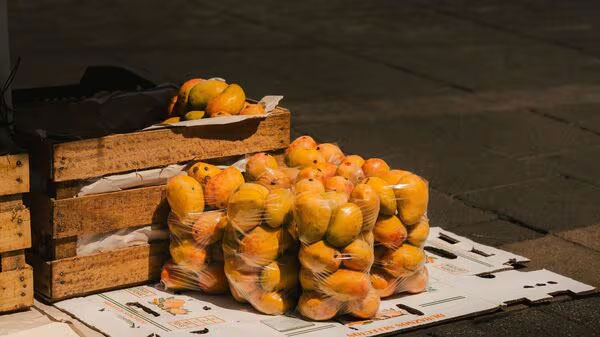
According to a report by the Economic Times, inspectors from Japan detected operational shortcomings at vapour heat treatment (VHT) facilities in India during inspections conducted earlier this year. These facilities are responsible for disinfecting mangoes prior to export to ensure they are free from invasive pests, particularly fruit flies.
Japan maintains a strict zero-tolerance policy towards fruit flies and similar pests, considering them a serious threat to its domestic agriculture and food security systems.
Following the inspection, the Yokohama Plant Protection Association reportedly informed importers that Indian mango consignments carrying inspection certificates issued after March 25, 2026, would no longer be permitted entry into Japan.
The development marks Japan’s first major restriction on Indian mango imports in nearly 20 years. Tokyo had earlier imposed a similar ban over fruit fly infestations and lifted it only in 2006 after India strengthened its treatment procedures and export certification mechanisms.
Although Japan does not rank among India’s largest overseas mango markets, exporters and industry experts believe the move could damage the reputation of Indian agricultural exports internationally. There are growing concerns that the decision may prompt tighter scrutiny of India’s quality-control systems and export compliance standards in other foreign markets as well.
The timing has further compounded the problems faced by mango growers, especially in Maharashtra’s Alphonso-producing regions, where farmers are already battling severe crop losses caused by extreme heat and erratic weather conditions linked to the El Niño climate phenomenon.
Government-backed assessments in certain areas have estimated mango crop losses between 85 and 90% this season, adding to the pressure on growers and exporters.
India continues to remain the world’s largest mango producer, with annual production estimated at nearly 28 million metric tonnes, though a major portion of the produce is consumed domestically.
Indian authorities and exporters are now expected to engage with Japanese regulators in an effort to resolve the issue and restore exports at the earliest. Experts believe India may need stricter monitoring at treatment centres, stronger documentation practices and tighter pest-control compliance measures to regain Japan’s confidence.
Meanwhile, neither Indian nor Japanese authorities have publicly disclosed the exact technical deficiencies identified during the inspections.