Daijiworld Media Network - New Delhi
New Delhi, May 31: The Reserve Bank of India (RBI) is expected to keep its benchmark policy rate unchanged at 5.25 per cent when the Monetary Policy Committee (MPC) concludes its three-day meeting on June 5, with policymakers likely to adopt a cautious approach amid growing global uncertainties.
Market experts and economists broadly anticipate a status quo on interest rates as the central bank assesses the impact of geopolitical developments, particularly in West Asia, on inflation, commodity prices, supply chains and financial markets.
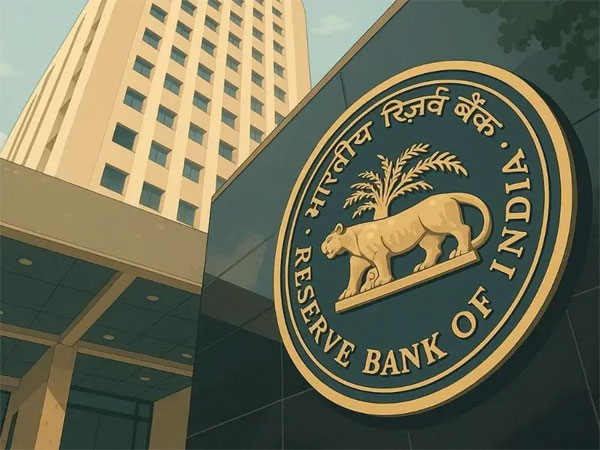
The six-member MPC, headed by RBI Governor Sanjay Malhotra, is scheduled to meet from June 3 to June 5 to review the country's monetary policy. The committee had also maintained rates at its previous meeting in April, citing concerns over global volatility and its potential implications for economic growth and price stability.
While no immediate change in rates is expected, analysts believe the RBI could revise its economic projections. Rising crude oil prices, persistent supply chain challenges and pressure on the rupee may prompt the central bank to adjust its inflation outlook upward while moderating growth forecasts for the current financial year.
A recent report by the State Bank of India's economic research department also projected that the RBI would maintain the existing policy rate in view of the uncertain international environment.
The report indicated that consumer price inflation could remain above 5 per cent over the next three quarters, although inflation during the current quarter is expected to stay within the 4 to 4.1 per cent range.
According to the assessment, India's real GDP growth is likely to reach around 7.2 per cent in the fourth quarter of FY26, with overall economic growth for the fiscal year estimated at 7.5 per cent. However, the report cautioned that prolonged geopolitical tensions and external economic pressures could affect these projections.
For FY27, SBI economists currently estimate GDP growth at 6.6 per cent, while noting that the forecast remains subject to revision depending on global developments and domestic economic conditions.
The report emphasised that the RBI should continue following a data-driven policy approach and maintain flexibility in responding to evolving risks. It added that if inflationary pressures intensify, the central bank has alternative liquidity and market management tools available, including measures such as Operation Twist, which can support financial stability without changing benchmark interest rates.