Daijiworld Media Network - Washington
Washington, Jun 25: A new book on US President Donald Trump’s administration has revealed a tense internal exchange over India’s tariffs on American goods, with Trump reportedly expressing frustration over figures presented by his trade officials.
The book, Regime Change, Inside the Imperial Presidency of Donald Trump, written by New York Times journalists Maggie Haberman and Jonathan Swan, provides a behind-the-scenes account of key decisions and disagreements within the Trump administration.
According to the book, Trump believed India had imposed significantly higher tariffs on US products than the figures shared by American trade officials. During an internal discussion, he reportedly demanded “hard facts” on tariff rates imposed by countries including India and China.
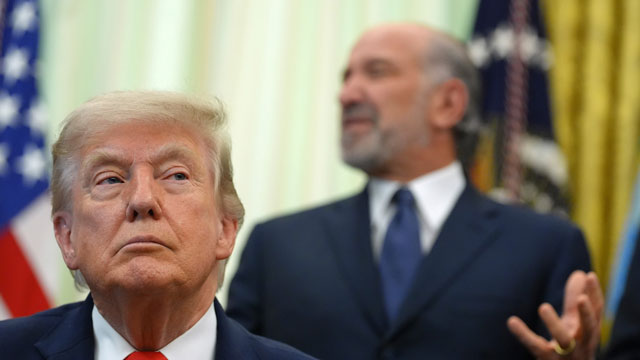
When officials presented data from the Office of the United States Trade Representative (USTR), Trump allegedly rejected the figures and accused his team of providing incorrect information.
The authors said Trump was convinced that India’s tariff rates were around 175 per cent or even higher, much above the figures cited by US agencies.
The disagreement reportedly occurred at a time when trade relations between India and the US were under strain. The Trump administration had repeatedly criticised India’s tariff structure, claiming American exporters faced major barriers in accessing the Indian market.
The issue later became part of Trump’s wider trade policy. The US first imposed a 25 per cent tariff on Indian goods, followed by another 25 per cent tariff citing India’s continued purchase of Russian oil.
The move raised total US tariffs on certain Indian imports to 50 per cent, leading to increased diplomatic and trade tensions between the two countries and affecting ongoing negotiations.
Despite the differences, both nations continued efforts to strengthen economic ties. In February 2026, India and the US announced a framework for a bilateral trade agreement aimed at reducing trade barriers and improving market access.
The proposed agreement includes tariff reductions on both sides along with provisions for greater access to agricultural and other products.
The US administration later removed the additional 25 per cent tariff after India committed to ending purchases of Russian oil, according to a White House fact sheet.
Officials from both countries are currently working towards finalising the trade agreement. Recent discussions between US Trade Representative Jamieson Greer and Union Commerce Minister Piyush Goyal have focused on resolving pending issues before the deal is formally implemented.