Daijiworld Media Network – Washington
Washington, Jul 29: Thousands of Indian H-1B visa holders in the United States could get a new opportunity to apply for permanent residency if a proposed immigration reform bill introduced by US Senator Alex Padilla becomes law.
The bill seeks to amend the existing Registry provision of the Immigration and Nationality Act by replacing the current 1972 eligibility cutoff with a new rule allowing certain long-term immigrants who have lived in the US for at least seven years to apply for a Green Card.
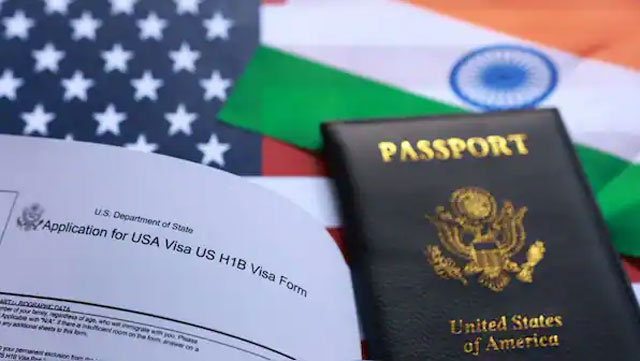
At present, the Registry provision applies only to immigrants who have continuously lived in the US since before January 1, 1972, making it practically unusable for most current applicants.
Under the proposed legislation, immigrants who have completed seven years of continuous residence in the US, have no criminal record and meet other legal requirements could become eligible for permanent residency.
The proposed change could benefit millions of immigrants, including skilled professionals, Dreamers, individuals with Temporary Protected Status (TPS), essential workers and children of long-term visa holders.
Indian nationals form the largest group of H-1B visa holders in the US, with many professionals facing Green Card waiting periods of more than 15 years due to employment-based immigration backlogs. If approved, the proposed seven-year residency rule could provide an alternative pathway for several Indian technology and skilled workers seeking permanent residency.
The bill, titled the "Renewing Immigration Provisions of the Immigration Act of 1929", has received support from several organisations advocating immigration reforms. However, it must still pass through the US Congress before becoming law.
Until the legislation is approved, the existing 1972 cutoff under the Registry provision will remain in effect, and H-1B visa holders will not become eligible for Green Cards solely based on completing seven years of residence in the US.
The proposal has renewed discussions among long-term immigrants and skilled professionals who have been waiting for years under the current employment-based immigration system.