Daijiworld Media Network - Kolkata
Kolkata, Sep 6: Kolkata Municipal Corporation (KMC) officials on Sunday conducted raids at several parts of the city to check compliance with food safety regulations.
The inspections were carried out at restaurants and food courts in several prominent shopping malls, as well as eateries in central Kolkata and Salt Lake.
On Sunday afternoon, KMC officials raided the food courts of South City Mall, Highland Park and Acropolis Mall. Officials inspected the food courts and checked the quality and storage conditions of food items.
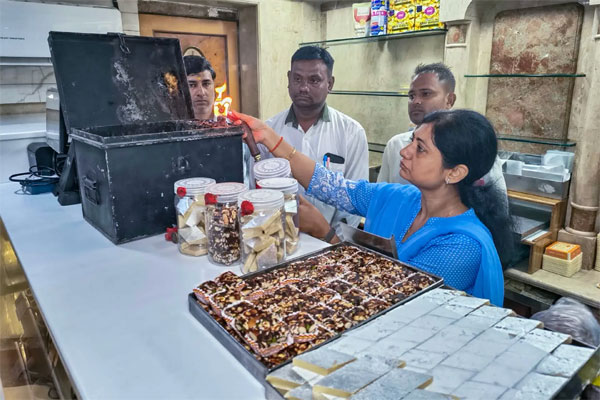
They also examined whether frozen food was being stored properly and whether other food products were being kept under appropriate conditions.
Municipal officials also conducted raids at several restaurants in the Bentinck Street area of central Kolkata.
At Alia Hotel, officials checked the quality of food and collected samples of items stored in refrigerators. Inspections were also carried out at restaurants including Ahar, Amber and Ami Bengali.
During the inspection at Ami Bengali, officials discarded several food items that had been stored in the refrigerator.
Similar inspections were conducted at restaurants in Salt Lake, where officials checked the quality of raw materials and spices being used in kitchens.
The KMC Food Safety Department had also conducted raids on Saturday afternoon at food stalls in Dacres Lane, Jorabagan and Lake Market.
Officials checked the quality of food at shops in Dacres Lane. During an inspection, sweets that had expired but were still being stored in a refrigerator were found at a shop’s storeroom and subsequently discarded.
Officials also collected samples of fritters and other fried food items from shops in Dacres Lane.
The food-safety enforcement drive is being conducted across West Bengal following directions from the state government.
The ‘Buyer Protection Week’ began in West Bengal on August 31.
Inaugurating the programme at the Hog Market (New Market) premises, Chief Minister Suvendu Adhikari had said the state government would adopt a **‘zero tolerance’ policy** against dishonest business practices, including flat fraud, the use of harmful colours on vegetables and fish, and manipulation of weights and measurements.