Daijiworld Media Network - New Delhi
New Delhi, Sep 15: Chief economic adviser V Anantha Nageswaran asserted on Tuesday that the Indian economy is well-positioned to remain resilient rather than vulnerable in the face of shifting global headwinds, backed by healthy balance sheets, robust Goods and Services Tax (GST) collections, and strong bank credit growth.
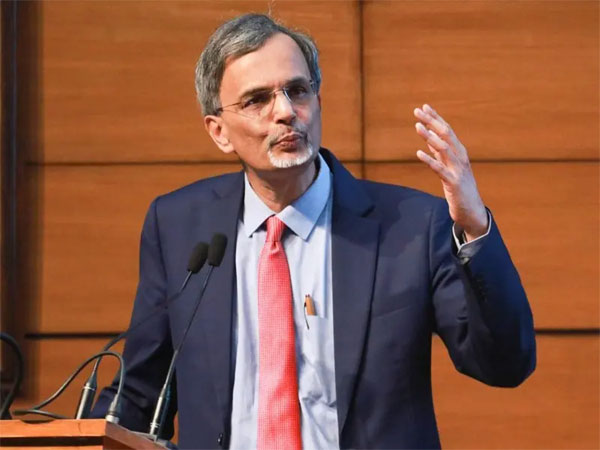
Addressing industry leaders at ASSOCHAM’s Managing Committee Meeting and Special Session, Nageswaran noted that while geopolitical tensions, conflict resumptions in West Asia, and rising global bond yields have triggered recent market volatility, India enters this phase from a position of relative strength. He pointed to the nation’s recent sovereign rating upgrade to A-, robust high-frequency indicators like e-way bill generation and vehicle sales, and the successful mobilization of USD 137 billion through external borrowings and foreign exchange deposit swaps as clear markers of steady economic momentum.
Navigating Structural Shifts and Future Readiness
Emphasizing that the next 25 years will demand an evolution past previous decades of post-independence and liberalization models, Nageswaran urged stakeholders to adapt to structural economic shifts.
Highlighting the disruptive impact of Artificial Intelligence (AI) on employment patterns, the CEA advised young individuals to stay open to practical trade skills alongside traditional education paths. Furthermore, he called upon the corporate sector to take a proactive leadership role.
“The private sector must invest, must hire and must compensate fairly and also invest in R&D because the next 20 years is going to be very different from the last 80 years post World War II,” Nageswaran stated.
Policy Support and Macroeconomic Stability
While reaffirming that the government will continue to pursue pro-growth policies, macroeconomic stability, deregulation, and ease of doing business for enterprises of all sizes, the CEA cautioned that public policy alone cannot single-handedly drive the nation's economic trajectory. Sustained progress, he noted, requires a synchronized, multi-pronged push from both industry and policy frameworks to meet future demands.