Daijiworld Media Network - New Delhi
New Delhi, Oct 6: Cervavac, India's first indigenously developed human papillomavirus (HPV) vaccine, has received prequalification from the World Health Organization (WHO), making it eligible for procurement by United Nations agencies and potentially expanding its reach globally.
Developed by the Serum Institute of India (SII), Cervavac had earlier received approval from the Drugs Controller General of India (DCGI) for domestic use.
Cervavac is a quadrivalent, gender-neutral vaccine that can be administered to both girls and boys aged between nine and 26 years.
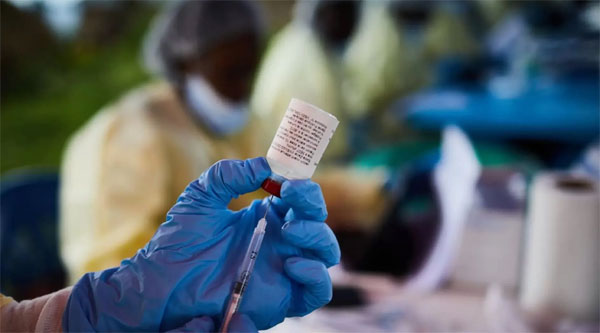
The vaccine targets four HPV strains -- types 6, 11, 16 and 18. HPV types 6 and 11 are commonly associated with genital warts, while types 16 and 18 are high-risk strains linked to several cancers.
In women, Cervavac helps protect against cervical, vulvar, vaginal and anal cancers associated with HPV infection. In men, it provides protection against HPV-related anal cancer.
According to SII, children aged 9-14 years should receive two doses of the vaccine six months apart, while those aged 15-26 years require three doses administered within a year.
Commenting on the development, SII Chief Executive Officer Adar Poonawalla said WHO prequalification marks an important step in strengthening the global fight against HPV-related diseases and expanding access to preventive vaccination.
The vaccine contains proteins designed to generate an immune response against the four targeted HPV strains and is manufactured using the Hansenula polymorpha expression system.
WHO prequalification is a key benchmark for vaccine quality, safety and efficacy. It enables international agencies and global immunisation programmes to procure vaccines that meet the organisation's standards.
Cervavac was developed by SII in partnership with the Department of Biotechnology, Biotechnology Industry Research Assistance Council (BIRAC), WHO's International Agency for Research on Cancer (IARC) and the Gates Foundation.