Daijiworld Media Network – Mumbai
Mumbai, Oct 11: “Chill! It’s just periods. You’ll feel better in a couple of days.”
But do women really feel better after three to five days, or does the menstrual cycle bring a recurring pattern of exhaustion, mood changes and physical discomfort that extends well beyond the days of bleeding?
From hormonal fluctuations and ovulation to fatigue, bloating and premenstrual symptoms, the menstrual cycle is a month-long process that affects women differently. Yet, what happens inside the body between periods remains poorly understood by many.
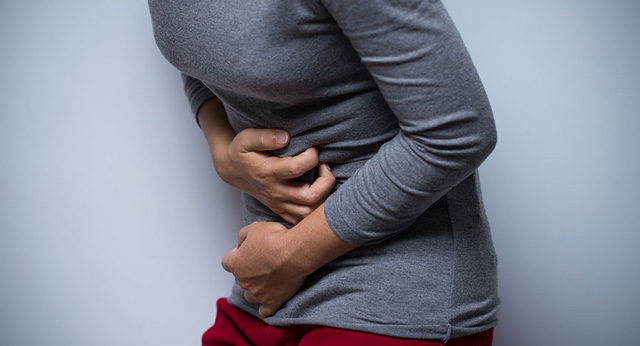
For some women, menstruation brings severe cramps, exhaustion and a need for solitude. Others experience bloating, back pain, irritability or difficulty concentrating at work. For many, the days leading up to a period can be just as challenging as the bleeding itself.
“I feel like somebody is constantly stabbing me with a sword, not even a knife, in my stomach,” says Sasha Singh, describing her experience of menstruation.
“Emotionally, I am so annoyed that eye rolls become the only friend that day. The luteal phase is the worst for me, an indication of days ahead,” she adds.
Shivanghii describes a similar combination of physical discomfort and emotional distress. “I feel like I need to punch whoever is talking to me and cry all the time. Physically, it’s like my insides are getting drained and sawed repeatedly. I feel the first day and the day before that are the most painful.”
Their experiences highlight how differently women can experience the menstrual cycle, both physically and emotionally. They also raise an important question: what happens inside the body when there is no bleeding?
The menstrual cycle is not confined to the three to seven days of menstrual bleeding. It involves continuous hormonal changes and activity in the ovaries and uterus as the body prepares for a possible pregnancy. These changes may influence energy levels, sleep, appetite, skin, digestion and mood throughout the month.
Menstruation occurs when the uterine lining sheds because pregnancy has not occurred. The menstrual cycle, however, extends from the first day of one period to the first day of the next. Although a 28-day cycle is often used as an example, many adults have cycles lasting approximately 21 to 35 days.
The cycle is regulated by hormones that coordinate activity between the brain, ovaries and uterus. Its four commonly described phases are menstruation, the follicular phase, ovulation and the luteal phase. The follicular phase begins on the first day of menstruation and continues until ovulation, meaning the first two phases overlap.
During menstruation, falling hormone levels trigger the shedding of the uterine lining. The uterus contracts to expel the tissue, which can cause cramps in the lower abdomen and sometimes pain in the lower back. Some women also experience headaches, bloating, fatigue, breast discomfort and mood changes.
For Priyanka, the first two days can be particularly difficult. “During my period, I usually feel physically tired, bloated and uncomfortable, with severe cramps and lower back pain.
Emotionally, I tend to feel more irritable, sensitive and overwhelmed than usual. The most challenging phase for me is the few days leading up to my period, the luteal phase, when PMS symptoms like mood swings, fatigue and bloating are at their peak. The first two days of my period can also be difficult,” she says.
Sneha, who works in the news field, says the discomfort can make demanding workdays more difficult.
“The first three days are the most challenging for me. I usually feel drained due to severe stomach aches, which makes working in the news field even more physically and mentally exhausting,” she says.
While some discomfort during menstruation is common, severe pain that interferes with daily activities should not automatically be dismissed as a normal part of having periods.
The follicular phase begins on the first day of menstruation and continues until ovulation. During this time, follicle-stimulating hormone helps follicles in the ovaries develop. Usually, one follicle becomes dominant and continues to mature, producing increasing amounts of oestrogen. This hormone helps rebuild and thicken the uterine lining after menstruation.
These changes continue even after bleeding stops, although they may not produce obvious symptoms. Some women report feeling more energetic or focused during the days after their period, while others notice little difference.
Vijaya describes significant changes in her energy and concentration around her cycle. “Oh yes!! It changes drastically. Energy drops, concentration is hindered. Sleep becomes overpowering, as if the body is on energy-saver mode,” she says.
However, not every change in energy or mood is caused by menstrual hormones. Sleep, stress, nutrition and underlying health conditions can also influence how someone feels.
As the dominant follicle matures, rising oestrogen levels help trigger a surge in luteinising hormone, leading to ovulation. This is when the ovary releases a mature egg. Although ovulation is often described as occurring around day 14 of a 28-day cycle, its timing varies from person to person and from one cycle to another.
After its release, the egg enters the fallopian tube, where it may be fertilised by sperm. The egg generally remains capable of fertilisation for approximately 12 to 24 hours. Pregnancy can also occur following sex in the days before ovulation because sperm can survive in the reproductive tract for several days.
Some women notice changes around ovulation, including clearer and more slippery cervical mucus or mild pain on one side of the lower abdomen. Others experience no obvious symptoms. Changes in mood, energy and sexual desire also vary and should not be treated as universal signs of ovulation.
After ovulation, the follicle that released the egg transforms into a structure called the corpus luteum. It produces progesterone, along with some oestrogen, to help maintain the uterine lining in preparation for a possible pregnancy.
If pregnancy does not occur, the corpus luteum breaks down and hormone levels fall, eventually triggering the next period. For some women, this luteal phase brings premenstrual syndrome (PMS), which may include bloating, breast tenderness, headaches, fatigue, irritability, changes in appetite and difficulty sleeping.
Priyanka says mood swings, fatigue and bloating become particularly challenging before menstruation. Shivanghii describes feeling unusually irritated and emotional during this period.
“Getting irritated all the time and crying for no reason. It feels like everyone is being rude to me and they all hate me. No particular change in sleep,” she says.
Sneha also notices changes in her mood. “Mood: Yes, but not with other things. I get irritated easily during my period,” she says.
Premenstrual symptoms vary considerably. While some women experience mild changes that do not disrupt their routines, others find that their symptoms affect work, relationships, studies and everyday activities. In more severe cases, symptoms may be associated with premenstrual dysphoric disorder (PMDD), which can cause significant emotional and physical distress.
According to Dr Asha Susawat, senior obstetrician and gynaecologist at Cocoon Hospital, Jaipur, hormonal fluctuations can influence how women feel throughout the cycle, although their effects differ between individuals.
“While the hormonal fluctuations will be much more impactful than just your bleeding pattern, their importance will vary from woman to woman. For some, high levels of oestrogen before ovulation make them feel more energetic. Others will not perceive any significant differences. Following the occurrence of ovulation, the progesterone hormone increases the temperature levels in the body and may affect the sleep pattern,” she says.
She adds that some women may experience sleepiness, irritability, nervousness, food cravings, acne, bloating, constipation or diarrhoea around menstruation, but not everyone experiences these symptoms.
Dr Rhythm Bhalla, senior consultant in obstetrics and gynaecology at Cocoon Hospital, Chandigarh, also notes that the physical effects of the cycle may begin well before the next period.
“Variations in levels of oestrogen and progesterone affect moods, sleep, eating and energy levels. However, there is no standard experience in this regard since some women feel better before ovulation whereas some start experiencing fatigue, poor sleep, cravings and irritability prior to the onset of the period,” she says.
The cycle can also be influenced by stress, significant weight changes, nutritional deficiencies and underlying health conditions. Thyroid disorders may affect the frequency and amount of bleeding, while polycystic ovary syndrome (PCOS) can interfere with regular ovulation and cause irregular or absent periods.
Dr Bhalla explains that the menstrual cycle depends on the interaction between the brain, ovaries and uterus. Stress, changes in weight and eating habits may delay ovulation, while thyroid problems and PCOS can alter menstrual patterns. Hormonal contraceptives may also change bleeding, sometimes making it lighter, causing spotting or stopping it altogether.
Cycles may be irregular during adolescence and can change again during perimenopause, the transition towards menopause. Persistent changes, however, should not be ignored.
For many women, understanding of the menstrual cycle remains limited despite menstruation being a regular part of life. Some learn the basics at school or at home but receive little information about ovulation, hormonal changes or symptoms that may occur between periods.
Asked whether they knew that hormonal changes continue throughout the month, even when they are not bleeding, respondents described different levels of awareness.
Vijaya says she understands that the cycle extends beyond bleeding, with hormonal fluctuations influencing energy and motivation. Priyanka says she knows that the cycle can affect mood, sleep, appetite and concentration. Shivanghii, meanwhile, says she has a broad understanding of phases such as the follicular and luteal phases but is not fully informed about their details.
Their responses highlight the difference between knowing that hormonal changes occur and understanding how those changes unfold across the cycle.
Vijaya says she did not learn about periods at home until she began menstruating. At school, she found that the subject was largely limited to textbook information, with little practical guidance about menstrual products.
Priyanka says she learnt the basics at school but received little information about hormonal changes and their effects. Sneha says most of her knowledge came from home and online searches, while Shivanghii says her mother took her to a gynaecologist to explain the subject in greater detail.
Sasha recalls attending a school session on menstruation in Class 7, but questions how effectively it explained reproductive health.
“I got my orientation to monthly bleeding from school. It was a workshop conducted by Whisper for seventh-class girls, while boys were told it was a free PT period, when they poured blue ink on a sanitary pad in the name of ‘sexual education’,” she says.
She also recalls how menstruation was used to explain women's moods in the workplace.
“When I worked in an all-boys work desk, I was often asked if I was on periods if I was not in a cheerful mood. Bad mood can be a product of multiple things, not just periods,” she says.
Her experience underlines why menstrual health should not become a blanket explanation for every emotional response a woman has. Hormones may contribute to changes in mood, but stress, work pressure, personal circumstances and other factors also matter.
In many parts of India, menstruation continues to be surrounded by stigma and restrictions. Some women face rules against entering kitchens, touching utensils, participating in religious activities or discussing periods openly.
Pari (name changed), from Assam, describes the restrictions followed in her household.
“On the three days of my period, I sit and sleep on the floor. I eat on a separate plate as I am not allowed to enter the kitchen or touch any utensil or other furniture. I do not touch any male member, be it my father, brother or husband. These customs have been followed for a very long time in my household and me, my mother and sister have applied the same in our lives,” she says.
Yash Sonkar points to gaps in menstrual-health education, saying teachers sometimes skip chapters on the subject in the school curriculum.
Trisha says one of the persistent misconceptions she has encountered is that menstruation makes women “impure”. Shivanghii recalls restrictions surrounding everyday activities, including cutting nails, touching pickles, approaching religious symbols or even mentioning periods in front of men.
Such beliefs can reinforce the idea that menstruation is something to hide rather than a normal biological process. Even the practice of wrapping sanitary napkins discreetly or avoiding conversations about periods can contribute to the stigma.
Recognising symptoms that require medical attention is another important part of menstrual health. According to Dr Susawat, excessive bleeding between periods, bleeding after sexual intercourse, persistent pelvic pain or pain during intercourse should be evaluated. Unusual vaginal discharge accompanied by an unpleasant odour, irritation or fever also warrants medical attention.
Dr Bhalla advises women to seek an assessment for frequent bleeding between cycles, persistent pelvic pain, unusual discharge or the absence of menstruation for more than three months. If pregnancy is possible, a missed period may warrant a pregnancy test and medical advice.
Other warning signs include bleeding that lasts longer than seven days, very heavy bleeding, severe or worsening menstrual pain and symptoms that interfere with daily activities. Repeated heavy bleeding can lead to iron-deficiency anaemia, while severe menstrual pain may be associated with conditions such as endometriosis or adenomyosis. Irregular cycles may also require assessment for PCOS, thyroid disorders or other underlying causes.
Severe pelvic pain accompanied by a missed period, bleeding or faintness requires urgent medical assessment, particularly when pregnancy is possible. Heavy bleeding accompanied by weakness, dizziness or difficulty breathing also requires urgent care.
The important distinction is between symptoms that occur occasionally and those that are persistent, severe or unusual for the individual. Women should be encouraged to discuss significant symptoms with healthcare professionals rather than assuming they must simply endure them.
The World Health Organisation recognises menstrual health as more than the management of bleeding. It includes access to accurate information, affordable menstrual products, safe sanitation facilities, appropriate healthcare and the ability to participate in everyday life without stigma.
Better menstrual-health education can help women understand their bodies, recognise symptoms that need medical attention and challenge misconceptions. It can also encourage schools, families and workplaces to treat menstruation as a normal health issue rather than a subject of embarrassment.
For many women, menstruation is the most visible part of a process that continues throughout the month. While the uterus sheds its lining, the ovaries begin developing follicles. As oestrogen levels rise, the uterine lining rebuilds. Ovulation follows, and progesterone helps prepare the uterus for a possible pregnancy. If pregnancy does not occur, hormone levels fall and the cycle begins again.
The physical and emotional effects of these changes are not identical for everyone. Some women experience significant discomfort before and during menstruation, while others notice little variation.
Understanding the menstrual cycle means recognising that periods are not simply a few days of bleeding. They are one stage in a continuous process shaped by hormones, health, age and individual circumstances.
Greater awareness among women and men can help replace dismissal with empathy, encourage informed conversations and ensure that symptoms requiring medical care are not overlooked. Because understanding what happens between periods is just as important as understanding the bleeding itself.