Daijiworld Media Network – Paris
Paris, Oct 26: France has reported the first known human case of the Shamonda virus, an animal-associated pathogen, after an immunocompromised man in his 60s died following infection, according to information shared by the World Health Organisation (WHO) and French health authorities.
Following the death, French authorities have launched an investigation to determine how the man contracted the virus, identify the possible source of exposure and assess whether the infection poses any risk to public health.
The WHO is working with French authorities to establish the circumstances surrounding the case. The virus has previously been detected in livestock, but its effects on humans remain largely unknown. No other human infections have been documented so far.
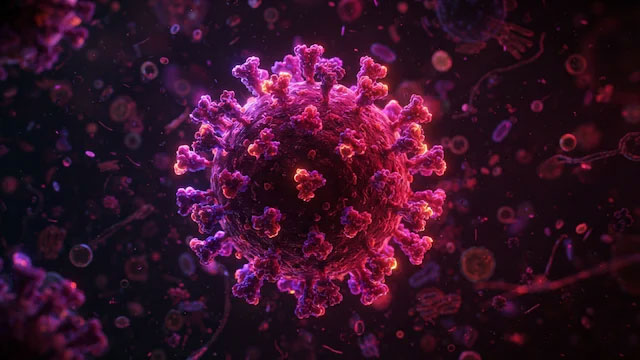
The discovery has drawn attention to a pathogen that primarily affects animals and whose potential impact on human health has yet to be established.
What is the Shamonda virus?
The Shamonda virus belongs to the Orthobunyavirus group and was first identified in cattle in Nigeria in the 1960s. Since then, infections have been reported intermittently among animals in parts of Africa and Asia.
The virus primarily affects livestock, including cattle, sheep, goats and horses, and has also been reported in alpacas. It is believed to spread among animals through the bites of infected Culicoides midges, small, fly-like insects that act as carriers of the pathogen.
The Shamonda virus belongs to the same broader virus group as the Schmallenberg virus, which is associated with reproductive complications in livestock.
In animals, infection can cause fever, diarrhoea, reduced appetite and a decline in milk production. In more severe cases, it may lead to reproductive complications, including abortions, stillbirths and congenital abnormalities in newborn animals.
However, the effects of Shamonda virus infection in humans are not yet clearly understood.
How does the virus spread?
Infected biting midges are considered the main carriers of the Shamonda virus. They can transmit the pathogen after acquiring it while feeding on infected animals.
According to the information provided by the WHO, the French patient lived in an area where the virus had been detected in animals and where Culicoides midges were present. However, the exact route of infection has not been established, and investigations are continuing.
There is currently no documented evidence of human-to-human transmission of the Shamonda virus. There is also no established evidence that people contract the infection simply by touching, handling or being near infected livestock.
Further research is needed to clarify how the virus may infect humans and whether any additional routes of transmission are possible.
What are the symptoms in humans?
The symptoms of Shamonda virus infection in humans remain unknown because this is the first known human case.
Researchers have not yet established a reliable clinical profile or identified a definitive set of symptoms in people. The signs reported in infected animals, such as fever, diarrhoea, loss of appetite and reduced milk production, should not be assumed to occur in humans.
The circumstances of the French patient's illness and death may provide important information as health authorities investigate the infection.
Does the virus pose a public health risk?
The first known human case warrants further investigation, but it does not, by itself, indicate widespread transmission or an emerging public health emergency.
The WHO and French authorities are working to determine the source of the infection, establish how the man was exposed to the virus and assess its potential implications for public health.
The absence of documented human-to-human transmission is an important consideration. However, the limited information available about the virus in humans means that its potential risks cannot yet be assessed conclusively.
Further investigation and research will be necessary to understand whether the infection can occur in other people, how it may affect human health and whether any additional public health measures are required.