Daijiworld Media Release - Chennai
Chennai, Nov 9: Childhood often lays the foundation for one's faith and religious beliefs. For an entire generation of Indian millennials, television serials, animated programmes and films based on mythology served as their first introduction to the fascinating world of Hindu gods and goddesses.
For children to develop a connection with these divine characters, they first had to become familiar, relatable and accessible. Indian entertainment successfully achieved this through popular television productions such as the iconic Ramayana, numerous animated series inspired by Lord Krishna and mythology-based films. Even the popular superhero television series Shaktimaan incorporated references to Hindu beliefs and traditions.
In South India, particularly Tamil cinema, a different kind of cinematic movement gradually emerged through filmmakers such as Rama Narayanan, A P Nagarajan and Kodi Ramakrishna. Their contributions helped establish a distinctive devotional film genre popularly known as 'Amman padam', centred on Goddess Amman and her divine powers.
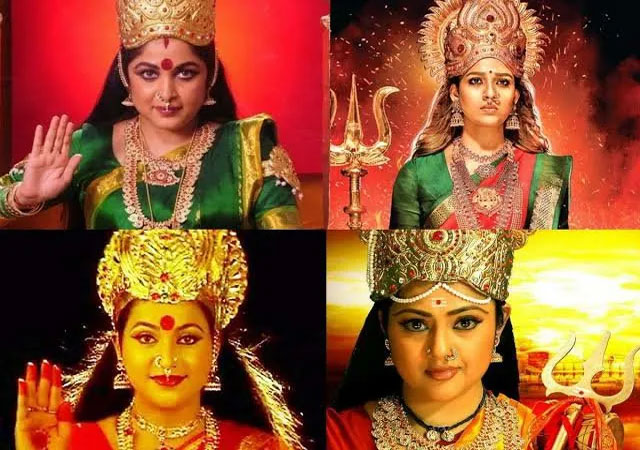
The genre struck a chord with young audiences. Children developed a strong emotional connection with these divine characters, often dressing up as Lord Krishna, Goddess Amman or Lord Rama. Sunday afternoons frequently turned into imaginative mythological adventures, with children portraying their favourite gods and goddesses and creating their own versions of epic battles using miniature toys.
While several mythological characters continued to enjoy popularity in Indian cinema, Goddess Amman gradually disappeared from the mainstream Tamil film landscape for nearly two decades.
However, the character made a notable comeback in 2020 when filmmaker and actor RJ Balaji gave the traditional devotional genre a fresh fantasy-comedy treatment through Mookuthi Amman, introducing the goddess to a new generation of moviegoers.