Daijiworld Media Network - London
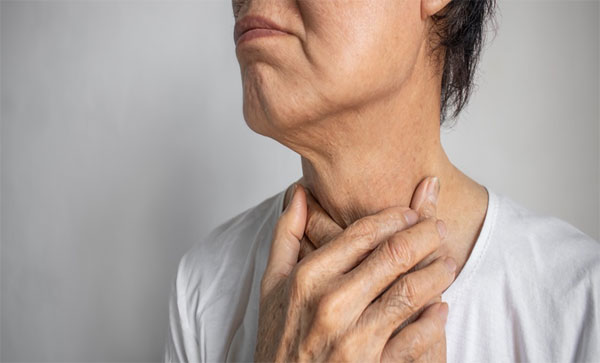
London, Nov 15: Dysphagia, or difficulty swallowing, affects several survivors of head and neck cancer, highlighting the need for long-term monitoring and rehabilitation even after successful cancer treatment, according to a recent study.
A prospective longitudinal study involving 445 patients receiving curative-intent treatment examined patient-reported swallowing outcomes from diagnosis to 12 months after treatment. The research assessed patients across multiple tumour locations using standardised swallowing assessment tools to identify factors associated with persistent difficulties.
The findings showed that swallowing-related quality of life deteriorated significantly during primary cancer treatment, reaching its lowest point three months after treatment before gradually improving.
Although the overall prevalence of moderate-to-severe swallowing impairment declined to 12% at 12 months, certain groups continued to experience substantial difficulties.
Patients with cervical carcinoma of unknown primary, those diagnosed with advanced-stage tumours and individuals undergoing a combination of surgery and chemoradiotherapy reported poorer swallowing outcomes.
The study also identified pre-treatment sick leave and recent smoking cessation as potential indicators of increased vulnerability to long-term swallowing disorders in univariable analyses.
Further assessments highlighted that the combination and intensity of treatment played an important role in determining recovery patterns, with less invasive surgical procedures generally associated with different outcomes compared to more intensive multimodality treatments.
The researchers said the findings underline the importance of considering both the initial disease burden and the intensity of cancer treatment when assessing the risk of persistent swallowing problems.
They also highlighted that patients' perceptions of swallowing difficulties may differ from findings obtained through objective physiological assessments. Therefore, incorporating validated patient-reported outcome measures into routine clinical care is essential.
Early identification of patients at higher risk could help multidisciplinary healthcare teams provide timely rehabilitation and supportive interventions, reducing long-term complications and improving quality of life.
The findings reinforce the need for personalised follow-up and sustained swallowing assessments for head and neck cancer survivors to improve long-term recovery and overall survivorship care.