Daijiworld Media Network – Mangaluru
Mangaluru, Dec 7: Unpredictable weather in Dakshina Kannada—marked by alternating spells of rain, heat, and cold—has led to a rise in chickenpox cases among schoolchildren, with many students reportedly missing school for weeks.
In response, the Health Department has issued an advisory to the Department of Public Instruction, urging schools to exercise vigilance. This winter, chickenpox has appeared outside its usual summer season, prompting concern among health officials.
Schools have been instructed not to allow children with chickenpox to attend classes. Infected students should be granted special leave and return only after full recovery, authorities emphasise.
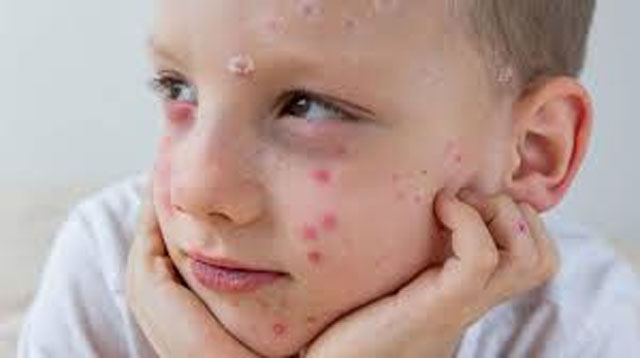
Representational image
While Dakshina Kannada has experienced severe outbreaks in the past—particularly in Puttur and Kadaba, where entire classrooms were affected—officials say that this year’s cases are more contained. “Although the incidence is not as widespread as previous outbreaks, the appearance of chickenpox in schools this season requires careful monitoring,” said a health department official.
Understanding chickenpox
Chickenpox is a highly contagious viral disease caused by the varicella-zoster virus. It manifests as painful skin blisters, often accompanied by cough and fever. The virus spreads through direct contact with skin lesions, respiratory droplets, or fluids from infected individuals.
Symptoms typically appear 20 to 21 days after infection, with red, itchy blisters spreading across the body as the first visible sign. Children may also experience body aches, general discomfort, loss of appetite, sore throat, headaches, and fatigue. Full recovery usually takes around two weeks.
Preventive measures
Health authorities advise strict hygiene practices, including washing hands thoroughly with soap and water after contact with an infected child. Homes, schools, kindergartens, and playgrounds should be regularly cleaned.
Children should avoid close contact with infected peers, and contaminated surfaces or toys must be disinfected. Anyone showing symptoms should seek medical attention promptly and refrain from self-medicating.
Urban areas most affected
Most chickenpox cases this season have been reported in urban schools of Dakshina Kannada, where one or two cases may occur in a single classroom. While rural areas have fewer cases, the highly contagious nature of the virus means the potential for rapid spread remains.
“Chickenpox generally peaks during the summer. Although numbers are low, it is unusual to see infections in winter. In schools, transmission from one child to another is higher, which could exacerbate the outbreak,” said Dr Naveen Chandra Kulal, district surveillance officer.
“Chickenpox in children typically resolves completely without complications. Once infected, a person gains lifelong immunity. Maintaining a nutritious diet strengthens the immune system and plays a key role in disease control,” added Dr H R Thimmayya, district health officer.