Daijiworld Media Network - New Delhi
New Delhi, Dec 12: A new study from Mass General Brigham, Boston, has found that long-term use of multivitamin supplements may help reduce hypertension risk and blood pressure in certain groups of older adults. Researchers say the improvement is likely due to correcting deficiencies in key vitamins and minerals such as magnesium and potassium, which play a crucial role in blood pressure regulation.
The elderly, who often suffer from poor nutritional intake, are more prone to micronutrient deficiencies — a gap that supplements can help fill, the study noted.
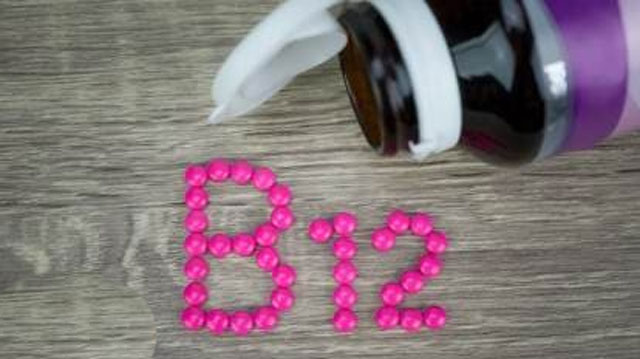
The research involved around 8,900 women above the age of 60 and examined the health impact of cocoa extract and multivitamin-multimineral supplements. While findings showed only small reductions in blood pressure, the improvements were significant among participants who had poor diets at the start of the study.
However, experts remain cautious. Dr Babir Singh, chairman of Cardiac Sciences at Max Healthcare, said multivitamins are not a magic fix. “Multivitamin tablets do not do much to the body. I never prescribe B vitamin supplements without first correcting the diet. If a deficiency still remains, then we give a specific supplement. These are meant only for very sick patients who cannot eat properly,” he said.
Dr Singh explains that vitamins B6, B9 and B12 reduce homocysteine levels — an amino acid linked to vessel damage — while minerals like potassium, magnesium and calcium support blood vessel relaxation and regulate sodium balance. Vitamin D and C further help by reducing inflammation and improving vessel function.
Ageing slows digestion and reduces stomach acid, affecting nutrient absorption. With lower physical activity and appetite, nutrient needs remain high even as calorie needs decline. Chronic illnesses, medications and oral health issues further worsen micronutrient deficiency in the elderly.
While the standard daily requirement of vitamin B12 is 2.4 mcg, poor absorption in older adults may push the need to 10–12 mcg. Dr Singh says these can still be met through a balanced diet rich in fish, eggs, dairy, leafy greens, legumes and fortified foods.
He cautioned that supplements alone cannot lower high blood pressure. Proper medical guidance, lifestyle changes, diet, sleep and regular screening remain vital. Preventive cardiac health, he added, should ideally begin in one’s 20s.