Daijiworld Media Network - Stockholm
Stockholm, Dec 19: One of the world’s most popular foods may offer an unexpected health benefit. A long-term study has found that regular consumption of high-fat cheese is associated with a lower risk of developing dementia.
The research, conducted by scientists from Lund University in Sweden, tracked 27,670 adults over a period of nearly 25 years. The findings indicate that people who consumed 50 grams or more of high-fat cheese daily were less likely to develop dementia compared to those who ate very small amounts.
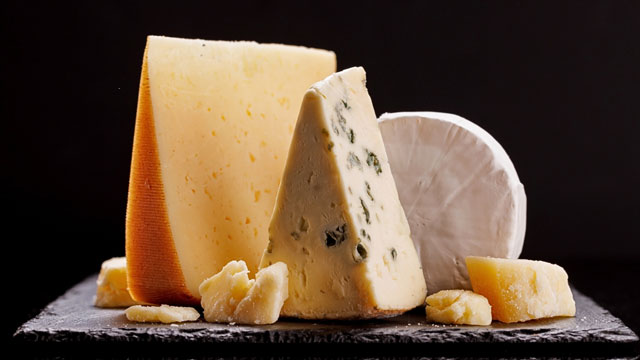
High-fat cheeses include varieties with more than 20 per cent fat content, such as brie, gouda, cheddar, parmesan, gruyere and mozzarella.
According to the study, around 10 per cent of participants who consumed at least 50 grams of high-fat cheese per day developed dementia, compared to about 13 per cent among those who ate less than 15 grams daily. After adjusting for factors such as age, gender, education and overall diet, higher cheese intake was linked to a 13 per cent lower risk of all-cause dementia.
“For decades, the debate over high-fat versus low-fat diets has shaped health advice, sometimes even portraying cheese as an unhealthy food,” said nutrition epidemiologist Emily Sonestedt of Lund University. “Our study suggests that some high-fat dairy products may actually benefit brain health, challenging long-held assumptions.”
Dementia is an umbrella term covering several conditions that impair memory and thinking, including Alzheimer’s disease, vascular dementia and dementia linked to Parkinson’s disease. Globally, around 57 million people were living with dementia in 2021, with nearly 10 million new cases diagnosed each year. Projections suggest the number could rise to more than 150 million by 2050.
The researchers analysed data from the Malmö Diet and Cancer cohort, in which participants recorded their food intake using a seven-day diary, food-frequency questionnaires and detailed interviews. Over the study period, 3,208 participants developed dementia.
Interestingly, no similar protective association was found for low-fat cheese, milk, fermented dairy products like yogurt or kefir, or cream. Butter showed mixed results, with high consumption possibly linked to an increased risk of Alzheimer’s disease.
However, experts caution against drawing firm conclusions. Tara Spires-Jones of the UK Dementia Research Institute, who was not involved in the study, noted that diet was assessed only once at the beginning of the study. “It is very likely that participants’ diets and lifestyles changed over the 25-year period, which is a major limitation,” she said.
Researchers stress that while the findings are promising, more studies are needed to understand the biological mechanisms involved. They also caution against relying on any single food to prevent dementia, emphasising that overall diet and lifestyle remain key factors in reducing long-term risk.