Daijiworld Media Network - Canberra
Canberra, Dec 19: While Australia has moved to impose restrictions on social media platforms to protect young users, online gaming has notably been left out of the ban — a decision that has drawn sharp criticism from child welfare advocates and mental health experts.
Critics argue that online gaming can be just as addictive as social media, especially for children and teenagers. They point out that many popular games are designed with reward-based systems, constant engagement loops and in-game purchases that encourage prolonged screen time, raising concerns about mental health, behavioural issues and academic impact.
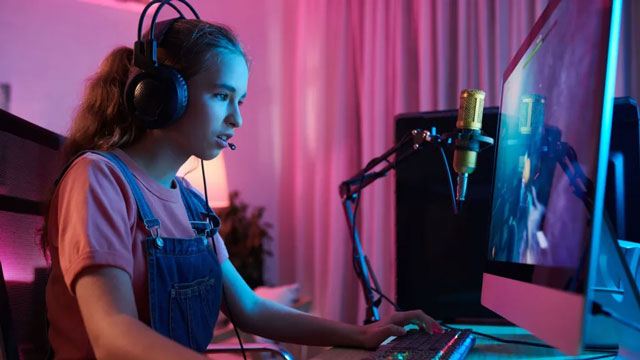
Experts have warned that multiplayer online games often include chat features, live interactions and algorithm-driven engagement — elements similar to those found on social media platforms. As a result, they say excluding gaming from the ban creates a regulatory loophole that undermines the broader objective of protecting young users from digital harm.
The Australian government, however, has defended its stance, stating that online gaming is regulated under a different framework and offers recreational and social benefits when used responsibly. Officials have also indicated that further reviews may be conducted to assess the long-term impact of gaming on children.
Parents’ groups and advocacy organisations have called for a more comprehensive digital safety policy that addresses all forms of potentially addictive online content, not just social media. They have urged authorities to introduce stricter age verification, screen-time limits and clearer guidelines for the gaming industry.
The debate highlights the growing challenge faced by policymakers worldwide as they attempt to balance digital freedom, entertainment and innovation with the need to safeguard young minds in an increasingly online world.