Daijiworld Media Network - London
London, Dec 19: The UK’s National Health Service (NHS) has issued a strong advisory warning people taking certain everyday medications to avoid grapefruit, citing potentially dangerous drug interactions that can lead to severe side effects.
Health experts say grapefruit, though popular for its refreshing taste and vitamin content, contains chemicals known as furanocoumarins that interfere with enzymes in the gut and liver responsible for breaking down many medicines. When these enzymes are blocked, drug levels can rise sharply in the bloodstream, increasing the risk of harmful or even life-threatening effects. Alarmingly, even a single glass of grapefruit juice or one fruit can trigger the interaction, with effects lasting for several days.
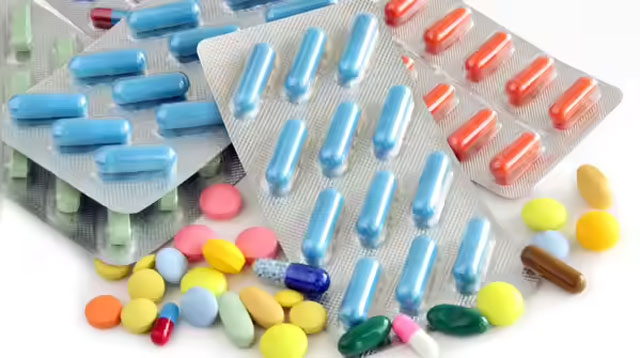
According to NHS guidelines, the level of risk varies from person to person, but regular consumption significantly increases the danger. Older adults are particularly vulnerable as they often take multiple medications and may regularly include citrus fruits in their diets. The NHS advises patients to carefully read medicine labels and consult pharmacists or doctors if grapefruit is part of their routine.
Cholesterol-lowering statins are among the most affected medicines. The NHS specifically warns against consuming grapefruit with simvastatin, as it can dramatically raise drug levels and lead to muscle damage, including the serious condition rhabdomyolysis. Atorvastatin may be taken with small amounts of grapefruit, but large daily intakes—such as more than a litre of juice—can still pose risks. Other statins like pravastatin and rosuvastatin are considered safer alternatives.
Blood pressure medications, especially calcium channel blockers such as felodipine and nifedipine, are also affected. Grapefruit can cause blood pressure to drop dangerously low, leading to dizziness or fainting. Amlodipine, however, is generally not impacted.
The warning extends to immunosuppressant drugs like ciclosporin, sirolimus and tacrolimus, commonly prescribed to transplant patients or those with autoimmune conditions. Grapefruit can increase these drugs to toxic levels, potentially damaging organs. Similar concerns apply to budesonide-based treatments such as Entocort, used for Crohn’s disease.
Several cancer therapies, antibiotics like erythromycin, anxiety medications such as buspirone, and painkillers including colchicine for gout and certain opioids are also known to interact with grapefruit, increasing the risk of overdose or prolonged drug effects. Studies suggest that more than 85 medications may be affected, with reported complications including kidney failure, irregular heart rhythms and breathing difficulties.
The NHS cites real-world examples to underline the risk, such as patients hospitalised after combining grapefruit juice with statins or fainting episodes linked to blood pressure drugs. As a result, many pharmacies now label medicine packs with specific grapefruit warnings.
Medical professionals stress that patients should not stop prescribed medications abruptly. Instead, those who regularly consume grapefruit should inform their GP or pharmacist when starting a new prescription. In some cases, doctors may recommend switching to alternative drugs that do not interact.
As safer options, the NHS suggests other citrus fruits like oranges, lemons and limes, which do not contain furanocoumarins. However, pomelos and Seville oranges may cause similar issues and should be avoided unless confirmed safe. Importantly, spacing medication and grapefruit consumption by a few hours does not reduce the risk—complete avoidance during treatment is advised.
The NHS emphasises that awareness is the key to prevention. Patient information leaflets, pharmacist advice and services like NHS 111 can help individuals check for interactions. While grapefruit remains healthy for those not on medication, the advisory serves as a reminder that food and medicines can interact in unexpected and serious ways.