Daijiworld Media Network – New Delhi
New Delhi, Dec 26: If you are allergic to pollen, cold weather may bring some relief. However, for those with indoor allergies such as dust mites, mould and pet dander, winter can actually make symptoms worse, as people tend to spend longer periods inside closed spaces.
Doctors explain that when temperatures drop and heaters or furnaces are switched on, dust, mould spores and tiny insect particles are circulated in the air. Once inhaled, these particles can trigger allergic reactions in sensitive individuals.
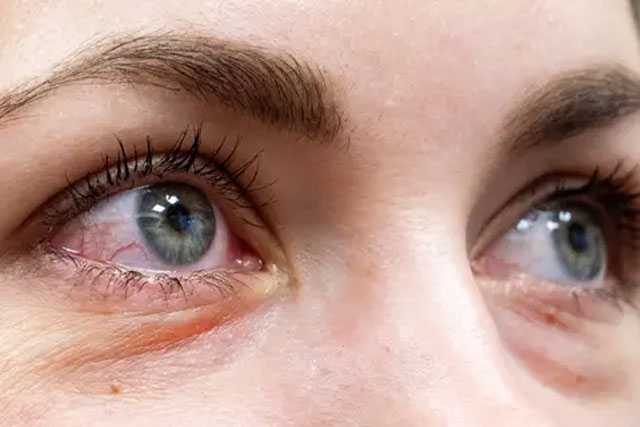
Common indoor allergy triggers include dust mites, microscopic organisms that thrive in mattresses, pillows and bedding. Their droppings and remains can become airborne and cause symptoms. Mould is another major trigger, especially in damp areas like bathrooms and basements, where spores easily spread through the air. Pet allergies are usually caused not by fur, but by proteins found in animal dander, saliva and urine.
Typical symptoms of indoor allergies include coughing, sneezing, a runny or blocked nose, itchy eyes and nose, watery eyes, and dark circles under the eyes. Allergies often cause itching or a tickling sensation in the throat, which helps distinguish them from colds or flu.
Medical experts say colds generally last less than 10 days and rarely cause itching, while flu is usually accompanied by fever and body aches. Allergy symptoms, on the other hand, can persist for weeks or even months and typically do not involve fever or muscle pain.
If symptoms continue for more than a week, doctors advise consulting a physician. Initial treatment usually involves allergy medications. If relief is limited, patients may be referred to an allergist for further evaluation.
Allergy testing may include skin tests, where a small amount of allergen is introduced to the skin to check for a reaction, or blood tests that help identify specific allergies. Early diagnosis and management can help reduce discomfort and improve quality of life during the winter months.