Daijiworld Media Network - New Delhi
New Delhi, Dec 29: Prime Minister Narendra Modi’s call to curb the misuse of antibiotics has been widely welcomed by health experts, who say it highlights the growing danger of antimicrobial resistance (AMR), one of the most serious public health challenges facing India today.
In his final Mann Ki Baat address of the year on Sunday, the Prime Minister cautioned citizens against the casual use of antibiotics and drew attention to rising AMR levels in the country. Referring to recent findings by the Indian Council of Medical Research (ICMR), he warned that commonly used antibiotics are losing their effectiveness against infections such as pneumonia and urinary tract infections (UTIs), calling the trend “extremely worrying.”
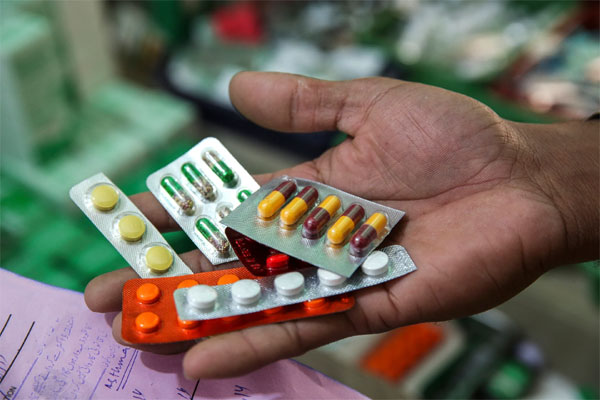
ICMR director General Rajiv Bahl said the Prime Minister’s remarks have helped bring a critical but often overlooked issue into national focus. He explained that antimicrobial resistance occurs when bacteria responsible for infections no longer respond to medicines designed to kill them, making once-treatable conditions far more dangerous.
“Earlier, there was a belief that antibiotics could cure almost any infection. But today, bacteria are becoming increasingly resistant, limiting our treatment options,” Bahl said.
Dr Rajeev Jayadevan, former president of the Indian Medical Association (IMA), Cochin, described AMR as a silent and escalating threat to healthcare systems. He noted that the danger is compounded by the lack of new antibiotics entering the market, while resistance continues to rise unchecked.
“AMR does not cause immediate symptoms, so people often remain unaware of the problem. That makes the Prime Minister’s intervention especially important, as it draws attention to an invisible but frightening scenario where antibiotics stop working,” Jayadevan said.
Global data underline the seriousness of the issue. A recent World Health Organization (WHO) report found that in 2023, nearly one in three bacterial infections in India showed resistance to commonly used antibiotics, compared to one in six globally. National surveillance has also recorded high resistance levels in pathogens such as E. coli, Klebsiella pneumoniae, Staphylococcus aureus, and Acinetobacter baumannii.
Further raising alarm, a study published in The Lancet eClinical Medicine warned that India is at the centre of a “superbug” crisis, with over 80 per cent of patients carrying multidrug-resistant organisms — the highest proportion reported worldwide.
Dr Neeraj Nischal, Additional Professor of Medicine at AIIMS Delhi, called the Prime Minister’s message a crucial public health intervention. He stressed that AMR thrives not because of new germs, but due to harmful practices such as self-medication, incomplete antibiotic courses, unnecessary prescriptions, and the use of antibiotics for viral infections.
“Antibiotic misuse today creates untreatable infections tomorrow. This puts routine surgeries, childbirth, and cancer treatments at far greater risk,” Nischal said, adding that India is at a critical crossroads in tackling AMR.
Experts also cautioned the public against assuming that antibiotics are required for common illnesses like fever or the common cold. They urged people to avoid self-medication and to take antibiotics only when prescribed by a qualified doctor, and to always complete the full course.
At the same time, doctors, pharmacists, and regulators were called upon to play their part. Experts stressed the need for evidence-based prescribing, strict enforcement of prescription-only sales, and stronger oversight, particularly as quick-commerce platforms make antibiotics more easily accessible.
Combating antimicrobial resistance, they concluded, will require coordinated action from individuals, healthcare professionals, and the government to prevent a looming health crisis.