Daijiworld Media Network - Washington
Washington, Jan 10: In a major shift in public health policy, the US federal government has sharply reduced the number of childhood vaccines recommended for routine administration, sidelining six immunisations that have protected millions of children from serious illness, long-term disability and death over the past decades.
The Centers for Disease Control and Prevention (CDC) said it will no longer universally recommend vaccines against hepatitis A, hepatitis B, rotavirus, respiratory syncytial virus (RSV), meningococcal disease, influenza and COVID-19. Instead, these vaccines will now be advised only for children considered at high risk of severe illness or after “shared clinical decision-making” between doctors and parents.
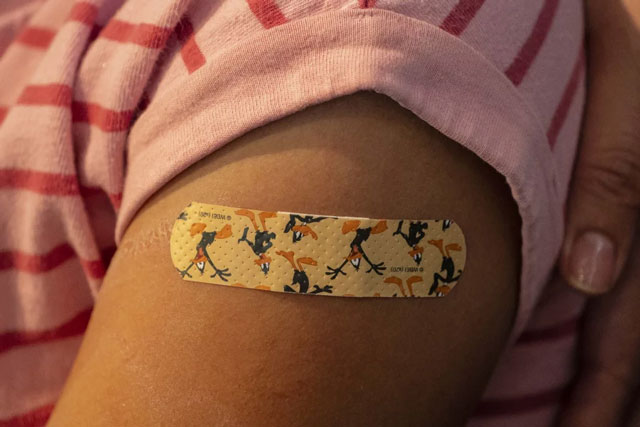
According to the CDC’s own data, vaccines against hepatitis A, hepatitis B and rotavirus alone have prevented nearly two million hospitalisations and more than 90,000 deaths in the last 30 years.
The CDC, however, has retained routine recommendations for 11 childhood vaccines, including those against measles, mumps and rubella; diphtheria, tetanus and whooping cough; polio; pneumonia; chickenpox; Haemophilus influenzae type b (Hib); and human papillomavirus (HPV).
The Department of Health and Human Services (HHS) clarified that federal and private insurance coverage for the vaccines removed from the universal schedule will continue, ensuring parents do not have to pay out of pocket if they choose to vaccinate their children.
Experts express concern
Public health experts and paediatric specialists have expressed alarm over the revised guidance. HHS said the changes followed a scientific review and aligned the US vaccination schedule with those of other developed countries. However, several experts disputed this claim, noting that most European nations follow schedules closer to the previous US model.
HHS Secretary Robert F Kennedy Jr, a long-time critic of vaccination policies, cited Denmark as an example. Experts countered that Denmark does not vaccinate against rotavirus and records around 1,200 hospitalisations among infants and toddlers annually — a rate similar to that of the US before rotavirus vaccination was introduced.
“They are willing to accept a level of hospitalisation that we were not,” said Paul Offit, director of the Vaccine Education Center at the Children’s Hospital of Philadelphia. “Lower immunisation rates will once again put children at risk.”
Diseases covered by sidelined vaccines
Health officials warned that the vaccines affected protect against diseases that continue to pose serious risks:
• RSV is the leading cause of hospitalisation among infants in the US, with most severe cases occurring in children without known risk factors.
• Hepatitis A cases have fallen by over 90 per cent since vaccination began but still cause outbreaks and deaths, particularly among vulnerable adults.
• Hepatitis B can lead to liver cancer and chronic illness; childhood vaccination led to a 99 per cent decline in cases among children and adolescents.
• Rotavirus, once responsible for tens of thousands of paediatric hospitalisations annually, could resurge if vaccination rates fall.
• Meningococcal disease remains rare but deadly, killing more than 10 per cent of those infected and leaving many survivors with permanent disabilities.
• Influenza and COVID-19 have killed hundreds of children in recent years, particularly during severe seasonal outbreaks.
‘Shared clinical decision-making’ raises concerns
Under the revised policy, vaccination decisions for the affected diseases will rely on “shared clinical decision-making”, requiring families to consult healthcare providers to assess individual risks and benefits.
Paediatric infectious disease specialists warned that this approach could confuse parents and undermine confidence in vaccine safety. “These vaccines have been thoroughly tested and proven safe,” said Dr Lori Handy of the Children’s Hospital of Philadelphia. “Removing routine recommendations may give the false impression that safety is in question.”
Legal experts said the changes do not alter state vaccination laws, allowing doctors to continue recommending vaccines based on established medical evidence.
Public health professionals cautioned that unclear guidance could lead to lower vaccination rates and a resurgence of preventable diseases. “Anything that muddies the message puts children at risk,” said California-based paediatrician Eric Ball.
Despite assurances from HHS, experts stressed that RSV, meningococcal disease and hepatitis remain serious threats and warned that the long-term impact of the policy shift could be felt across the US healthcare system.