Daijiworld Media Network - New Delhi
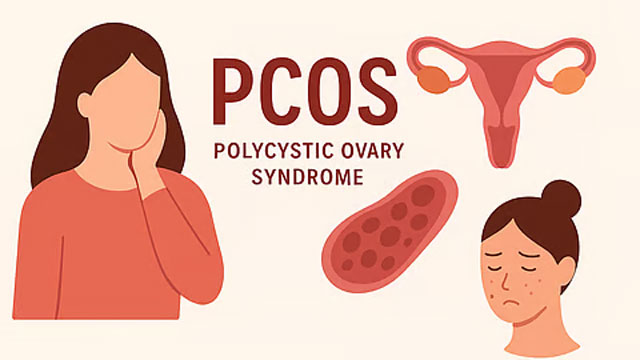
New Delhi, Mar 15: Hormonal fluctuations can significantly affect emotional well-being, particularly in women suffering from Polycystic Ovary Syndrome. While the condition is commonly associated with irregular periods, weight gain and acne, experts say the emotional effects such as mood swings, irritability and anxiety are often overlooked.
Doctors say these emotional changes can appear suddenly and may fluctuate throughout the month, sometimes without any obvious external cause. However, specialists emphasise that they are closely connected to the hormonal imbalances associated with PCOS.
Neelam Suri, senior consultant in obstetrics and gynaecology at Indraprastha Apollo Hospitals, said mood swings, irritability and anxiety are common in women with PCOS but are frequently ignored.
“Hormonal imbalances, including elevated androgen levels and insulin resistance, can make women feel unusually anxious, irritable or emotionally unstable even without a clear reason,” she explained.
Similarly, Anjana Singh, director of obstetrics and gynaecology at Fortis Hospital Noida, said these hormonal changes also affect brain chemicals that regulate mood.
According to her, PCOS leads to hormonal imbalance with high androgen levels and insulin resistance, which can influence Serotonin — the “feel-good” neurotransmitter responsible for regulating mood, sleep and appetite.
She noted that lower serotonin levels are strongly associated with higher risks of depression, anxiety and irritability among women suffering from PCOS.
Experts further point out that the physical symptoms of the disorder can also affect mental health. Conditions such as irregular menstrual cycles, weight gain, acne and excessive hair growth can impact self-esteem and create a cycle where hormonal imbalance and emotional stress reinforce each other.
Doctors say high androgen levels may interfere with serotonin production and its receptors in the brain, while insulin resistance — common in PCOS — can contribute to inflammation in the brain and worsen mood disorders.
However, specialists emphasise that lifestyle changes can significantly help in managing both physical and emotional symptoms of PCOS.
A balanced diet, regular exercise, adequate sleep and emotional support can help stabilise hormones and improve mental health. Experts recommend consuming whole foods and limiting refined carbohydrates to maintain stable blood sugar levels.
Regular physical activity of around 30 to 40 minutes daily can also help release endorphins that improve mood and reduce stress. Mental health support such as Cognitive Behavioural Therapy may also help individuals cope with negative thought patterns and emotional distress associated with PCOS.
Doctors advise that persistent mood swings or emotional instability should not be dismissed as simple stress, especially when accompanied by irregular menstrual cycles or other symptoms of PCOS.
They recommend seeking medical evaluation from a gynaecologist, as timely diagnosis and a combination of medical care, lifestyle changes and emotional support can help women manage the condition and improve their overall quality of life.