Daijiworld Media Network - Murshidabad
Murshidabad, Apr 13: For 34-year-old Minarul Sheikh from Murshidabad, elections were once about roads, jobs and basic needs. This time, the vote has taken on a far deeper meaning — reclaiming his identity.
Standing outside his mud-walled home in Beldanga, clutching a voter slip he regained after months of struggle, Minarul said the upcoming polls are his way of responding to a traumatic ordeal. “Last year, they threw me into another country, saying I was not Indian. This vote is my answer,” he said.
Minarul is among six migrant workers from the district who were picked up in Maharashtra last June, labelled as Bangladeshis and pushed across the border. They were briefly held in Bangladesh before being brought back after authorities confirmed their Indian citizenship.
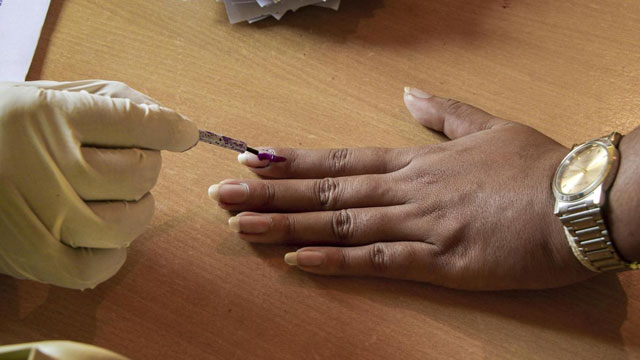
The incident has left deep scars, not just for the six men but across villages like Beldanga and Hariharpara, where fears over identity and belonging now overshadow traditional election issues.
In Muslim-majority Murshidabad — where the Trinamool Congress had swept most seats in 2021 — anxiety has intensified following the deletion of over 7.48 lakh names from electoral rolls. Many migrant families fear being wrongly identified as outsiders.
“I am not voting for rice or money. I am voting to show I am Indian,” said Mahboob Sheikh, another affected worker from Hariharpara, recounting repeated visits to officials to restore names on the voter list.
Families recall the ordeal with anguish. One relative broke down describing the moment her family member was taken away, uncertain if he would return. Others, like Nazimuddin Mondal, still hold on to reminders of their experience — including Bangladeshi currency handed to them during deportation.
For many, the election has shifted from political choice to a struggle for recognition. “Earlier, we voted for development. Now we are voting to protect our existence,” said Shamim Khan.
The issue has also entered the political arena. TMC leaders allege that such incidents reflect targeting of Bengali-speaking Muslims, while Congress has termed it a failure of institutions. The Bharatiya Janata Party, however, maintains that infiltration remains a concern and isolated errors should not be politicised.
With polling scheduled in phases on April 23 and 29, and counting on May 4, residents say they are now scrutinising electoral rolls more closely than ever.
Back in Beldanga, Minarul has carefully preserved all his documents — Aadhaar, PAN, voter ID and land papers — in a plastic packet. For him, the ballot is no longer just a democratic right, but proof of belonging.
“Earlier, my vote was just one vote. Now, it is proof that this country is mine,” he said.