Daijiworld Media Network – New Delhi
New Delhi, Apr 21: In a setback for Arvind Kejriwal, the Delhi High Court on Monday refused his plea seeking recusal of Justice Swarana Kanta Sharma from hearing the excise policy case, firmly rejecting allegations of bias.
Delivering a strongly worded order, Justice Sharma said that “justice does not bend under pressure” and underscored the judiciary’s commitment to impartiality. She declined to step aside from hearing a petition filed by the Central Bureau of Investigation (CBI) in connection with the liquor policy case.
Kejriwal, the national convenor of the Aam Aadmi Party, had sought her recusal citing a “grave, bona fide and reasonable apprehension” that the proceedings may not be impartial.
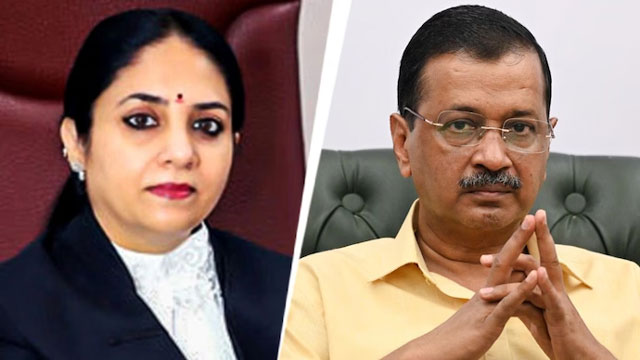
Rejecting the plea after an order spanning nearly 90 minutes, Justice Sharma said Kejriwal had failed to present any material indicating ideological bias. “There is a presumption of impartiality of a judge, and it must be rebutted by the litigant seeking recusal,” she observed.
She cautioned against attempts to erode trust in the judiciary, stating that “the floodgates cannot be opened to sow seeds of mistrust.” The judge further remarked that the application effectively put the judiciary on trial.
“My oath is to the Constitution. Justice does not yield to any pressure. I will adjudicate fearlessly without bias,” she said, adding that recusal in such circumstances would amount to an “abdication of duty” rather than prudence.
Addressing concerns over her participation in events organised by the Akhil Bharatiya Adhivakta Parishad, Justice Sharma clarified that these were professional and educational programmes, not political engagements, and could not be construed as ideological alignment.
On the allegation of conflict of interest regarding her children being part of a central government panel, she said no direct connection to the present case had been established. “The litigant has to show how it impacts the decision-making process. No such nexus has been shown,” she noted.
She also dismissed the argument that apprehension of an adverse outcome could justify recusal, stating that “a courtroom cannot be a theatre of perception.”
Justice Sharma described the plea as creating a “Catch-22” situation, observing that whether she recused or not, questions would be raised. She added that stepping aside would have been the easier option but would wrongly lend credibility to unfounded allegations.
The case stems from a trial court order dated February 27, which cleared Kejriwal and 22 others in the excise policy case. The decision was subsequently challenged by the CBI and is currently under consideration before the High Court.
On March 9, Justice Sharma had issued notice on the CBI’s plea, stayed directions for departmental action against the investigating officer, and termed certain findings of the trial court as “erroneous.” She had also directed deferment of proceedings under the Prevention of Money Laundering Act (PMLA) arising from the case.
Following this, Kejriwal and other accused, including Manish Sisodia, Durgesh Pathak, Vijay Nair, Arun Pillai and Chanpreet Singh Rayat, moved applications seeking her recusal.
Kejriwal had argued that the judge should step aside as her children serve as panel counsel for the central government, raising concerns of potential conflict of interest. However, the court rejected the contention, stating that such claims were unsubstantiated.
The matter will now continue to be heard by Justice Sharma, with further proceedings awaited.