Daijiworld Media Network - New Delhi
New Delhi, Apr 23: Growing scientific evidence suggests that exposure to micro and nanoplastics could contribute to serious liver damage, raising fresh concerns about their impact on human health.
In a review published in Nature Reviews Gastroenterology & Hepatology, researchers reported that these tiny plastic particles can trigger oxidative stress, inflammation, and fibrogenesis in animals—processes that closely resemble advanced liver disease in humans.
Lead author Shilpa Chokshi, Professor of Experimental Hepatology and Director of the Centre of Environmental Hepatology, said liver disease is increasing worldwide and now accounts for roughly one in 25 deaths globally.
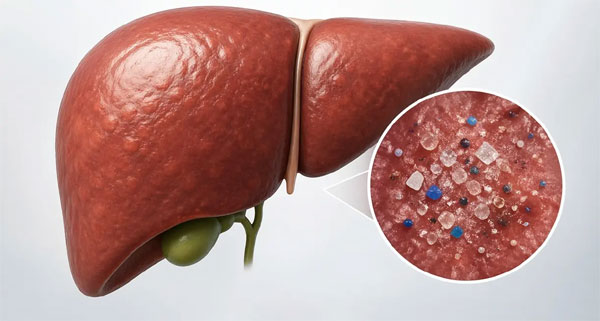
She noted that while major risk factors such as obesity and alcohol use remain significant, they do not fully explain the rapid rise in cases. This has prompted scientists to explore environmental contributors like microplastics, which may worsen existing liver conditions.
The researchers highlighted that the liver, as the body’s primary detoxifying organ, is particularly vulnerable. Microplastics may act as carriers for harmful substances, including pathogens, antimicrobial resistance elements, hormone-disrupting chemicals, and carcinogens, potentially amplifying damage once inside the body.
Evidence from animal studies already shows that plastic particles can accumulate in liver tissue and cause harm. Scientists say this raises important questions about similar effects in humans, especially as plastic exposure through food, water, and air continues to increase.
The study also pointed to gaps in current research, including technical challenges in detecting and measuring microplastics in human tissues, which are slowing progress in fully understanding their health impact.
Richard Thompson, professor of Marine Biology at the University of Plymouth, said the findings add to growing proof that plastic pollution is not just an environmental issue but a significant global health concern.
Researchers emphasised the need for more detailed investigation to determine how microplastics interact with human biology and whether they play a direct role in the rising burden of liver disease.