Daijiworld Media Network - New Delhi
New Delhi, Apr 22: With growing awareness around menstrual hygiene in India, more women are turning to alternatives such as tampons, menstrual cups and period underwear alongside traditional sanitary pads. However, experts caution that improper use of tampons can lead to serious health concerns if basic guidelines are ignored.
According to Dr Sudeshna Ray, Associate Director at the Department of Obstetrics and Gynaecology, the increasing popularity of tampons is largely driven by convenience and lifestyle needs. Widely used in Western countries, tampons are now gaining traction in India, especially among women who wish to remain active during menstruation, including engaging in sports or swimming. Their discreet and easy-to-use nature has added to their appeal.
Despite this, Dr Ray noted that many users are unaware of correct usage practices. One common mistake is choosing tampons with higher absorbency than required. She advised that women should opt for the lowest absorbency suitable for their flow, as using a higher level unnecessarily can pose risks rather than offer better protection.
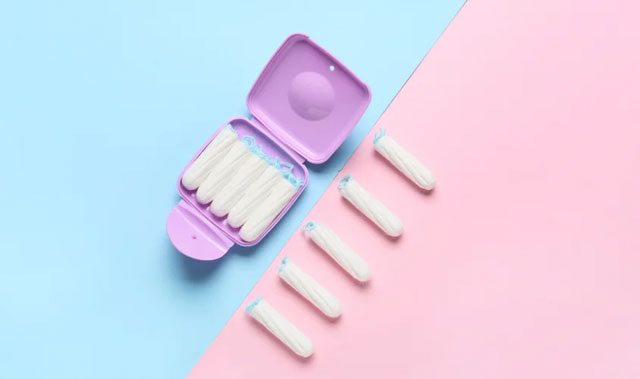
Another major concern is leaving tampons in place for too long. Experts recommend changing tampons every four to six hours. Prolonged use can increase the risk of Toxic Shock Syndrome, a potentially life-threatening condition characterised by symptoms such as fever and low blood pressure.
Hygiene and proper insertion techniques are also critical, particularly for first-time users. Washing hands before and after insertion, carefully following product instructions, and ensuring correct placement can help prevent discomfort and complications. The removal string should only be used when it is time to take the tampon out.
Dr Ray also warned against using more than one tampon at a time, a practice some may adopt from using multiple sanitary pads during heavy flow. This can cause tampons to become lodged deeper inside, making removal difficult and unsafe.
Importantly, she stressed that tampon use should not cause pain or discomfort. Persistent uneasiness may indicate improper usage or an underlying medical condition, in which case professional medical advice should be sought.
As menstrual hygiene choices evolve, experts underline the importance of awareness and correct practices to ensure safety alongside convenience.