Daijiworld Media Network - Geneva
Geneva, Apr 24: The World Health Organization South-East Asia Region has called for sustained efforts to ensure vaccines reach every community, warning that millions remain unprotected despite immunization being one of the most successful public health interventions.
Over the past 50 years, vaccines have saved more than 154 million lives globally, including an estimated 38 million in the South-East Asia Region alone. Immunization has also contributed to a 22 per cent reduction in infant mortality in the region.
“Vaccines are one of the most powerful and cost-effective health investments we have,” said Dr Catharina Boehme, Officer-in-Charge of the WHO South-East Asia Region. She stressed that maximizing their impact depends on ensuring equitable access to all populations.
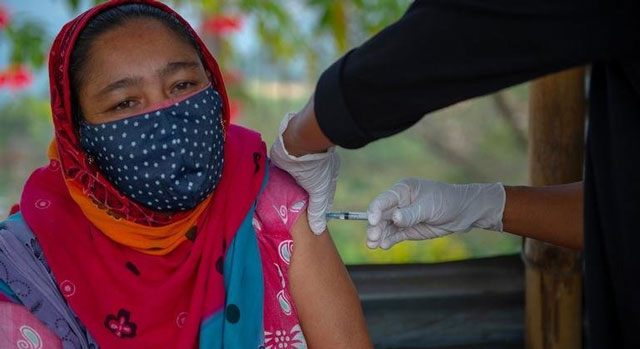
In 2024, over 14 million infants globally did not receive any vaccines, while nearly 20 million missed at least one essential dose, highlighting persistent gaps in access, particularly among vulnerable and underserved communities.
The WHO pointed to rising risks of outbreaks due to such gaps, citing the ongoing measles situation in Bangladesh. Authorities there, with partner support, are conducting a nationwide measles and rubella vaccination drive targeting over 18 million children, including those in high-risk areas such as Cox’s Bazar.
The South-East Asia Region, home to about a quarter of the world’s population, has made significant progress in immunization. Currently, more than 94 per cent of children receive three doses of DTP-containing vaccines, a sharp increase from just 5 per cent during the early years of the Expanded Programme on Immunization in the 1970s.
Immunization programmes in the region have expanded from covering six diseases to 13, helping eliminate maternal and neonatal tetanus and sustain a polio-free status since 2014, while advancing efforts to eliminate measles and rubella. Several countries have also introduced newer vaccines, including those for cervical cancer, pneumonia and rotavirus.
The region has emerged as a major global vaccine production hub, contributing nearly half of the world’s supply. However, an estimated 1.9 million children still remain “zero-dose,” having not received a single vaccine, often due to barriers such as remoteness, cost, lack of documentation and limited access to healthcare services.
WHO emphasized that addressing these challenges requires targeted, data-driven strategies, improved last-mile delivery, and stronger community engagement. Health workers, it noted, continue to play a crucial role as trusted sources of information in building vaccine confidence.
Marking World Immunization Week from April 24 to 30, WHO highlighted this year’s theme, “For Every Generation, Vaccines Work,” underscoring the need for equitable immunization across all age groups.
The agency called for expanding vaccination efforts beyond childhood to include adolescents, adults and the elderly, noting that strong immunization programmes are vital for resilient health systems and preparedness against future health emergencies.