Daijiworld Media Network - Mumbai
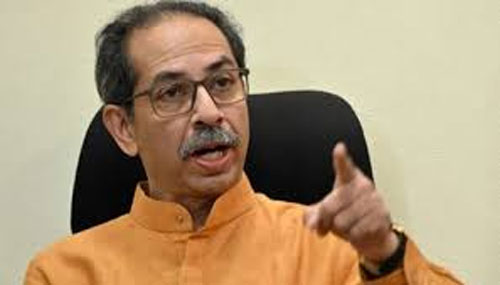
Mumbai, Apr 23: As the country marked one year since the deadly terrorist attack in Pahalgam, the Shiv Sena (Uddhav Balasaheb Thackeray) has raised sharp questions over accountability, alleging that justice has not been fully delivered and critical security lapses remain unaddressed.
In an editorial published in its mouthpiece Saamana, the party questioned whether the masterminds behind the attack have been brought to justice or whether the matter has been overshadowed by diplomatic considerations.
The editorial noted that despite India dispatching multi-party parliamentary delegations abroad to present its position under Operation Sindhu, limited international support has been forthcoming. It also criticised the lack of progress in domestic investigations, alleging that key questions—such as how militants travelled deep inland undetected and later escaped after the attack—remain unanswered.
Referring to the incident as the most severe terror strike since the Pulwama attack, the article stated that public grief remains unchanged even a year later. It further claimed that in the aftermath of the attack, Indian armed forces launched retaliatory strikes under Operation Sindoor targeting militant infrastructure across the border, leading to several days of military escalation.
According to the editorial, the operation was later halted following a ceasefire announcement by US President Donald Trump, a move accepted by both Indian and Pakistani military authorities. It also alleged that Trump later claimed credit for de-escalating the situation through trade-related pressure.
The party further argued that public sentiment in India remains dissatisfied, with concerns that a decisive opportunity to dismantle cross-border terror networks may have been lost due to international diplomatic pressure.
The editorial also criticised evolving geopolitical alignments, claiming that Pakistan’s global engagement has increased despite longstanding allegations of its involvement in terrorism. It pointed to diplomatic interactions involving Pakistan’s military leadership and suggested that such developments undermine India’s position internationally.
Additionally, it raised concerns over what it described as uneven treatment of India and Pakistan in global trade and diplomacy, claiming that while Pakistan has gained strategic visibility, India has faced economic pressures in certain areas.
Concluding its remarks, the editorial described the attack as an “unhealed wound” for the nation, asserting that questions of justice, accountability, and security continue to linger even a year after the tragedy.